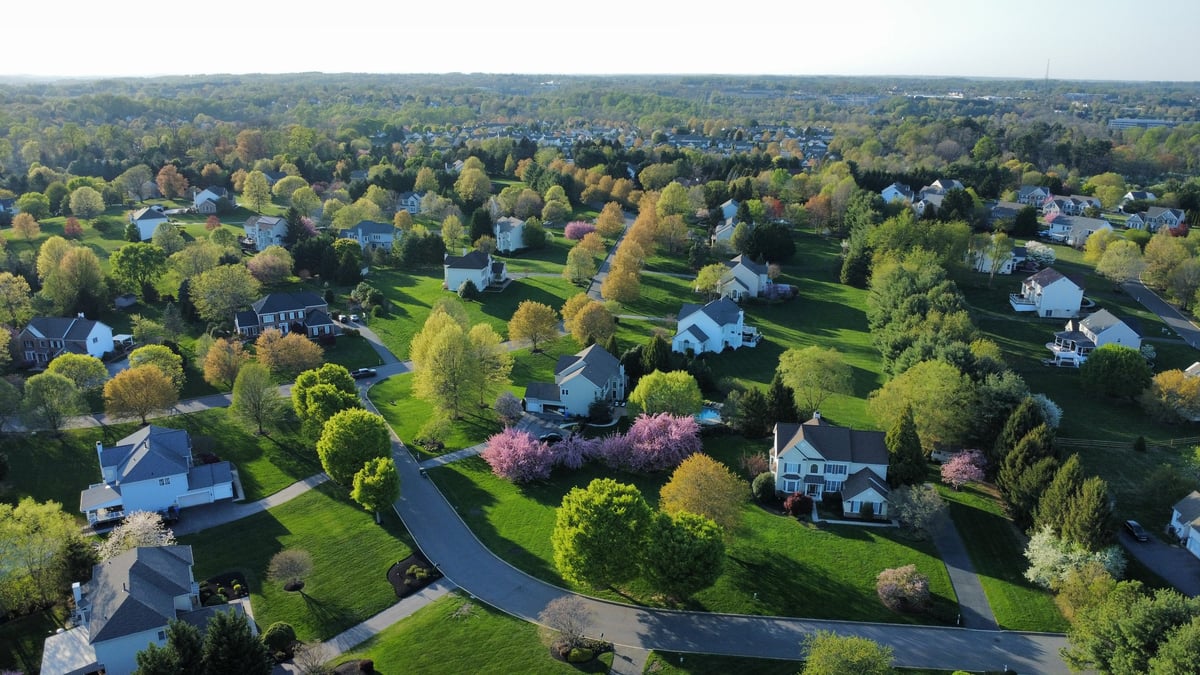
Penn State University Housing Market
Housing Near Penn State University for Parents, Investors, Sellers, and Borrowers
University Park / State College, Pennsylvania
Compare rent-vs-buy, student-rental investment potential, seller options, and financing paths around the Penn State University market.
Parent purchase review · Student-rental cash flow · DSCR financing · Seller strategy · State College market context
Local professional placements may be sponsored. CollegeHousing.ai is not a lender, brokerage, insurance agency, or university housing office.
Independent real estate and financing guidance. Not affiliated with or endorsed by Penn State University.
Campus-Area Property Review Map
Penn State University / State College • 24 review candidates
Estimated review scenario. Current availability, pricing, rent potential, taxes, insurance, HOA, and financing terms should be verified before making a decision.
Penn State Housing Decision Center
Penn State University
201 Old Main, University Park, PA 16802
Mascots: Nittany Lion
Independent college housing market review covering parent rent-vs-buy analysis, student-rental investment evaluation, DSCR financing review, seller timing, and local real estate professional connection for the Penn State University / State College market.
Parent Rent vs. Buy
Review Candidates
Student-Rental Demand
~65% Off Campus
Local Market Contact
Available
You're viewing the Penn State University housing market.
•Built Around the Penn State University Housing Decision
Families and investors do not search for generic housing. They search around a specific school, a specific timeline, and a specific decision. This market page organizes the major paths around Penn State University.
Parents
Compare rent vs. buy near Penn State University before defaulting to another year of rent.
Start Rent vs. Buy ReviewInvestors
Review campus-area rental potential, student housing demand, and financing paths.
Analyze a Campus RentalSellers
Understand whether campus-area ownership demand may support a sale, refinance, or hold decision.
Request Property ReviewBorrowers
Review DSCR, conventional, refinance, and cash-out paths for campus-area property.
Check Financing OptionsPenn State University Campus-Area Property Explorer
Review illustrative Penn State University-area property candidates by distance, price range, property type, and opportunity fit. Use this as a starting point for parent rent-vs-buy, investor cash-flow, seller strategy, and financing conversations.
Bedroom count matters because roommate rent may help offset ownership cost. A 2-bedroom property may be simpler to manage, while a 4-bedroom property may create a stronger roommate-offset scenario. The right choice depends on local rent demand, HOA rules, zoning, financing, property condition, and the family's comfort with managing roommates.
Important: These campus-area review candidates are educational examples for comparison, financing review, and local real estate expert consultation. Availability, pricing, and property details should be verified with a licensed local real estate professional. CollegeHousing.ai is an independent platform and is not affiliated with or endorsed by Penn State University. These are not active MLS listings.
Loan Officer Partner: Matt Dean — NEXA Lending. Independent sponsor placement.
Review Paths
Penn State University Housing Review Paths
Choose the path that best matches your situation near Penn State University in State College. Each review path focuses on a different set of housing and financing questions.
Parent Rent vs. Buy Review
Compare four years of Gainesville rent with ownership costs near Penn State University. Review roommate rent offset, financing structure, and after-graduation options.
Start Parent ReviewInvestor Cash Flow Review
Evaluate student-rental income, operating expenses, DSCR fit, vacancy assumptions, and long-term college-town demand near Penn State University.
Analyze a Campus RentalSeller / Hold Review
Review whether your State College-area property may attract parent buyers, student-rental investors, or local demand. Compare sell, refinance, and hold scenarios.
Request Property ReviewFinancing Review
Review parent-purchase, second-home, investment-property, DSCR, refinance, and cash-out financing paths for the State College market.
Check Financing OptionsProperty Management Review
Plan for leasing, maintenance, turnover, roommate management, and long-distance ownership before buying or holding near Penn State University.
Review ManagementStart with your decision
Each path focuses on a different set of questions — parent purchase, investment cash flow, seller review, or financing options near Penn State University.
Parents
Compare rent vs. buy near campus
For families evaluating whether to rent student housing or buy a campus-area property near Penn State University, the review focuses on ownership horizon, roommate income potential, maintenance responsibility, resale options, and financing.
Start Parent ReviewInvestors
Review student-rental cash flow
For investors evaluating a college-town rental near Penn State University, the review focuses on rental demand, management complexity, lease timing around the academic calendar, student-housing durability, DSCR considerations, and exit strategy.
Start Investor ReviewSellers
Evaluate sell, refinance, or hold
For owners of campus-area properties near Penn State University, the review focuses on timing, buyer demand, rental performance, refinancing options, cash-out potential, and whether the property should be held or brought to market.
Start Seller ReviewFinancing
Review DSCR, refi, cash-out, and purchase options
For borrowers, the review focuses on financing paths for campus-area properties near Penn State University, including purchase loans, refinancing, cash-out, and DSCR options when applicable.
Start Financing ReviewWhy Penn State University / State College deserves its own review
Penn State University Park enrolls approximately 48,000 students in State College, Pennsylvania — one of the most concentrated single-university housing markets in the United States. With roughly 65% of undergraduates living off campus, the Happy Valley market creates sustained demand for parent purchases, student-rental investment, seller reviews, and financing conversations across Centre County.
Parent rent-vs-buy considerations
Penn State parents comparing four years of State College rent with ownership should factor in borough-level housing supply constraints, Pennsylvania property taxes, roommate rent contribution, and after-graduation plans. Properties within walking distance of campus command premium pricing, but a detailed rent-vs-buy review helps families understand the ownership scenario.
Investor rental-property review
State College is one of the most established student-rental markets in the country. Investors need to review rent-by-room scenarios, borough of State College rental regulations, lease timing tied to the academic calendar, operating expenses, maintenance reserves, and DSCR fit. Property-by-property underwriting matters in a market where purchase prices reflect decades of consistent demand.
Seller and exit-strategy review
Penn State-area sellers benefit from one of the most consistent college-town buyer bases in the U.S. Campus proximity, documented rental history, bedroom count, and property condition all affect how a property is positioned. Owners should compare sell, refinance, and hold scenarios before deciding.
Financing pathways
Borrowers near Penn State may explore parent-purchase, second-home, investment-property, DSCR, or refinance options. Pennsylvania property taxes include municipal, county, and school district components — these vary across Centre County and should be reviewed with a local professional for accurate ownership cost estimates.

Penn State University / State College Market
Independent review platform. Not affiliated with or endorsed by Penn State University.
Market Snapshot
Penn State University / State College housing data
Public data sources for evaluating college-area housing decisions. Not investment advice. Not a guarantee of rental income, appreciation, or loan approval.
Last updated: 2026-06-30
University Demand
48,428
Total Enrollment
40,861
Undergraduate
7,567
Graduate
9,200
First-Year Class
93%
Retention Rate
73%
4-Year Graduation Rate
On-Campus vs Off-Campus Housing
Yes
First-Year Live-On Required
Yes
On-Campus Housing Guaranteed
95%
First-Year in Univ. Housing
5%
First-Year Off Campus / Commute
35%
All Undergrads in Univ. Housing
65%
All Undergrads Off Campus / Commute
Penn State requires first-year students to live on campus and guarantees on-campus housing. Approximately 65% of all undergraduates live off campus, creating one of the largest private housing markets in the country — spanning the State College borough, Patton Township, Ferguson Township, and surrounding Centre County.
Local Housing Baseline — State College
$380,400
Median Owner-Occupied Home Value
$1,120/mo
Median Gross Rent
36.3%
Owner-Occupied Housing Rate
$2,184
Median Monthly Owner Cost (w/ Mortgage)
41,341
City Population
13,298
Households
When students typically move off campus
Yes
First-Year Live-On Required
Yes
On-Campus Housing Guaranteed
95%
First-Year Students in Univ. Housing
5%
First-Year Students Off Campus / Commute
35%
All Undergrads in Univ. Housing
65%
All Undergrads Off Campus / Commute
What this means for housing decisions
Penn State requires and guarantees first-year on-campus housing. About 65% of all undergraduates live off campus — but with over 40,000 undergraduates, that represents one of the largest off-campus student populations in the country. The State College borough's housing supply is structurally constrained, making proximity-to-campus a key pricing variable.
Parent Rent-vs-Buy Trigger
- •4+ years of housing needed
- •Freshman housing required on campus
- •Most undergrads live off campus by sophomore year
- •Rent alternative: median rent $1,120/mo
- •Roommate income potential from other students
- •Ownership horizon: typically 3–5 years
- •Resale after graduation — parent/investor buyer pool
- •Property management if parent is out of town
- •Financing: second home vs investment property classification
Investor Cash-Flow Trigger
- •Strong off-campus demand — 65% of undergrads off campus
- •Rent-by-room potential near campus
- •School-year lease timing (Aug–Jul typical)
- •Turnover risk between academic years
- •Maintenance and management load
- •DSCR review: rent vs debt service
- •Local owner-occupancy rate: 36.3% — context for rental demand
- •Exit strategy: sell to parent buyer, investor, or owner-occupant
Seller / Refi / Hold Trigger
- •Current lease status and rental history
- •Campus proximity and property condition
- •Buyer pool: parents, investors, owner-occupants
- •Sell vs hold: compare net proceeds with ongoing rental income
- •Refinance / cash-out review
- •School-year timing: list before leasing season
- •Equity position and market conditions
Financing Trigger
- •Parent purchase financing (owner-occupied or second home)
- •Second-home vs investment property classification
- •Investment-property loan options
- •DSCR loan review for rental-backed properties
- •Refinance and cash-out options
- •Down payment sensitivity by loan type
- •Insurance, property tax, and HOA review
Market Analysis
What this market is best for
Every college market has a different profile. Here's how Penn State University / State College breaks down by the three most common campus-area housing decisions.

Parent Rent-vs-Buy
For families evaluating whether buying near campus makes more financial sense than four years of rent. The review covers purchase price, financing, roommate income potential, ownership costs, and after-graduation options.

Student-Rental Investor
For investors evaluating campus-area rental property. The review focuses on rent-by-room scenarios, operating expenses, lease timing around the academic calendar, DSCR fit, vacancy assumptions, and long-term college-town demand.

Seller / Refinance Decision
For owners of leased student rentals or campus-area properties evaluating whether to sell, refinance, or hold. The review covers current rental income, equity position, buyer pool composition, and refinance options.
Next Step
Review Campus-Area Property Candidates Near Penn State University
The map shows the types of campus-area properties commonly reviewed for parent purchases, investor rentals, seller decisions, and financing conversations. These are review candidates — for comparison, financing analysis, and local real estate expert review. Connect with a licensed professional when you are ready to evaluate actual opportunities.
Important: These campus-area review candidates are for comparison, financing, and local professional review. Availability, pricing, and property details should be independently verified. CollegeHousing.ai is an independent platform and is not affiliated with or endorsed by Penn State University. These are not active MLS listings.
Financial Dashboard
The ownership cost stack near Penn State
Campus-area ownership is never just the mortgage. Each layer below represents a real cost category that should be reviewed with a local professional. All figures are illustrative — confirm with actual quotes.
Sample Monthly Ownership Estimate
Illustrative only — not a quote or offer
$380,400
Sample price · 25% down ($95,100)
Sample — confirm with actual quotes from local providers
$3,134/mo
Vs. $1,120/mo median rent — State College
Sample estimate — not financial, tax, legal, or lending advice. Actual costs vary by property, location, insurance carrier, tax assessment, management provider, HOA covenants, and loan terms. Every figure above should be confirmed with a licensed local professional. This is an educational illustration, not a projection or guarantee.
Neighborhood Logic
Campus-area living logic
Campus-area housing isn't just about distance to the quad. These eight factors drive demand, rentability, resale value, and ownership experience near Penn State.

Distance & Proximity
Properties within 1 mile of campus command premium rent and resale interest. Beyond 3 miles, buyer and tenant pools shift toward local residents.
Roommate Demand
Per-bedroom rent structure is common near campus. Properties with the right bedroom count and layout attract student tenants and parent buyers alike.
Property Condition
Student-rented homes face more wear. Condition at purchase affects maintenance costs, insurance, and resale. Inspection is essential — not optional.
Internet & Connectivity
Reliable high-speed internet is non-negotiable for student tenants. Confirm provider availability and speeds before purchasing.
Safety & Neighborhood
Campus-adjacent neighborhoods vary in safety profile, lighting, and tenant mix. Review State College police data and walk the neighborhood at different times.
Resale Demand
The exit matters. Campus-area homes sell best to the next parent buyer or investor. Market to the right pool at the right time in State College.
Parking & Access
On-street parking near campus is often restricted. Driveway or off-street parking adds real value for tenants and buyers in State College.
Property Management
Numerous property management companies serve the State College/Penn State market. Management fees typically range from 8–12% of collected rent.
These factors are directional for State College campus-area properties. Each property should be reviewed individually.
Setup Checklist
Before you buy near Penn State
The ownership decision doesn't end at closing. These six setup steps are commonly overlooked and can materially change the cost and experience of owning near campus.
Lock in insurance early
Get actual quotes for homeowners/hazard insurance and flood insurance before you commit. In some PA markets, the combined cost can materially change the monthly ownership estimate.
Confirm HOA rules and rental restrictions
Review HOA and condo association documents for rental restrictions, particularly in newer townhome communities and condo developments.
Check internet provider availability
Not every address near Penn State has access to high-speed internet. Student tenants require reliable connectivity. Confirm what providers service the specific property and what speeds are available before buying.
Plan move-in and furniture logistics
If the purchase is timed for a lease turnover window (Penn State's fall semester begins in late August; spring begins in early January. Most student leases align with the academic calendar.), furniture delivery, storage, and move-in services should be lined up in advance. The student leasing cycle is tight and unforgiving.
Set up utilities and student-friendly billing
Electric, water, gas, internet, and trash service should be transferred and active before tenants arrive. Consider how utilities will be billed — landlord-paid with rent adjustment, or tenant-paid with setup support.
Budget for maintenance from day one — in State College
Student-occupied properties see more wear than owner-occupied homes. Budget at least 1% of the property value per year for maintenance — roof, HVAC, appliances, flooring, paint — and have a local handyman or management company identified before closing.
Campus Ownership Setup
Before you own near Penn State
Campus-area properties often involve setup items beyond the purchase price. Review the local services that may affect ownership, rental readiness, and student move-in.
Property Management
Review leasing, maintenance, rent collection, and student-rental management near campus.
Confirm during reviewHOI / Hazard / Flood Insurance
Review homeowners, hazard, landlord, and flood insurance needs for a campus-area property.
Confirm during reviewMoving / Storage
Coordinate move-in, student storage, furniture, and parent logistics near campus.
Confirm during reviewInternet Provider
Review student-friendly internet availability and setup options near campus.
Confirm during reviewSponsored providers are independent third parties. CollegeHousing.ai may receive compensation for placement where permitted. CollegeHousing.ai is not a university housing office, real estate brokerage, lender, loan originator, insurance agency, property manager, moving company, internet provider, law firm, or tax advisor. Users should verify licensing, pricing, coverage, availability, and terms directly with each provider.
College housing questions in State College
Answers to the most common questions about Penn State-area housing.
1Should parents rent or buy near Penn State?
Penn State families should compare four years of State College rent with ownership costs including mortgage, property taxes, insurance, maintenance, and management. Roommate rent contributions can meaningfully reduce net ownership costs. The borough's limited housing supply relative to 48,000-student demand can tip the analysis toward ownership, but each family's situation requires its own review.
2Can a student rental near Penn State work as an investment?
Student rentals near Penn State benefit from one of the largest single-campus housing markets in the country. Investment success depends on purchase price, rent-by-room income, State College borough compliance, operating expenses, and financing terms. A thorough cash-flow review is essential given competitive acquisition costs.
3Can DSCR financing be used near Penn State?
DSCR loans may apply to State College investment properties where projected rental income supports debt service per lender guidelines. Rent, expenses, and DSCR thresholds should be reviewed with a licensed loan officer familiar with the Centre County market.
4Should I sell or hold near Penn State?
State College owners should assess rental income history, equity position, current buyer demand, refinancing options, and long-term market outlook. Penn State's consistent enrollment and limited borough housing supply are structural advantages, but each property requires its own review.
5Is CollegeHousing.ai affiliated with Penn State University?
No. CollegeHousing.ai is an independent real estate and financing information platform and is not affiliated with or endorsed by Penn State University. University names are used for geographic and informational reference only.
What a Review Looks Like
Sample review outcome
Every property and situation is different. This sample illustrates the type of analysis you might receive — not a real review and not a guarantee of any specific outcome.
Illustrative Review — Penn State / State College
3-Bedroom Townhome · 1.2 miles from campus
$380,400
Illustrative — varies by property
$2,478/mo
Sample P&I + Tax + Insurance
$672/mo
2 roommates at sample rent
$1,806/mo
Ownership cost minus roommate contribution
$53,760
Sample at median rent × 48 months
Sell · Refinance · Hold
Review with local advisor
This is a sample illustration. It is not a real property review, not a financial projection, and not a guarantee of any specific outcome. Every property requires its own analysis with a licensed professional.
Professional Network
Local Experts for Penn State University
Choose the real estate, financing, property management, insurance, or local services path for the Penn State / State College market. CollegeHousing.ai connects you with independent local professionals who understand the Penn State-area market. Each provider below is a separate independent business — connect during your property review.
Local Real Estate Expert
Penn State University / State College
CollegeHousing.ai connects you with independent local real estate professionals who understand the Penn State campus-area market.
Speak With the Penn State Real Estate ExpertMatt Dean
NEXA Lending
Reviews parent-purchase financing, investment-property loans, DSCR products, and refinance options for Penn State-area properties. Licensed mortgage professional.
Review Financing OptionsCollegeHousing.ai Review Routing
Property management placement
No named provider is currently listed for this category in the Penn State University market. Submit your school and decision path and we'll route the request based on the market and service type where available.
Speak With the Penn State Property ManagerCollegeHousing.ai Review Routing
Insurance placement
No named provider is currently listed for this category in the Penn State University market. Submit your school and decision path and we'll route the request based on the market and service type where available.
Speak With the Penn State Insurance ExpertCollegeHousing.ai Review Routing
Local services placement
No named provider is currently listed for local services in the Penn State University market. Submit your school and service need and we'll route the request based on the market and service type where available.
Speak With the Penn State Local Services ExpertCollegeHousing.ai Review Routing
Move-in placement
We'll use the property, campus market, and your goal to route the next step. If a confirmed local provider is available for this market and service type, that provider may appear as part of the review path.
Continue ReviewEach provider listed is an independent business. CollegeHousing.ai does not endorse or guarantee the services of any provider. Active providers are independent sponsor placements. All provider relationships and terms should be reviewed directly with the provider.
Professional partner information is available on the Partner With Us page.
Start Your Review
Ready to evaluate Penn State-area housing?
Whether you're a parent comparing rent vs. buy, an investor reviewing cash flow, a seller evaluating options, or a borrower checking financing — start with a no-obligation market review.
Independent platform. Not affiliated with or endorsed by Penn State University. Review is educational — not a financial guarantee.
Request a Penn State University / State College review
Tell us what you're evaluating, and we'll connect you with the right conversation.
Sponsored providers are independent third parties. CollegeHousing.ai may receive compensation for placement where permitted. CollegeHousing.ai is not a university housing office, real estate brokerage, lender, loan originator, insurance agency, property manager, moving company, internet provider, law firm, or tax advisor. Users should verify licensing, pricing, coverage, availability, and terms directly with each provider.
Related College Housing Guides
Use these guides to review housing decisions near Penn State University before comparing properties, financing, rental demand, or local expert options.
 Market Guide
Why 1, 3, and 5 Miles From Campus Matter
See how distance from campus affects walkability, rent demand, parent-buyer demand, student-rental demand, resale, and financing considerations.
Best for: Users comparing neighborhoods around a university.
 Parent Guide
Parent Rent-vs-Buy Guide for College Housing
Compare four years of rent with ownership near campus, including roommate contribution, financing structure, resale timing, and after-graduation options.
Best for: Families deciding whether buying near campus deserves a serious review.
 Investor Guide
Campus Rental Cash-Flow Checklist
Review purchase price, rent-by-room income, expenses, management, turnover, lease timing, DSCR fit, and exit strategy before buying.
Best for: Investors evaluating student-rental numbers.
 Realtor Guide
Why Local Realtors Matter in College Housing Markets
Understand why campus neighborhoods, student-rental demand, lease cycles, property type, local rules, and resale patterns require local market expertise.
Best for: Users who need local property guidance near a specific school.
Ready to review a real campus-area property decision?
Choose the school, confirm the housing path, and connect with the right local real estate, financing, or property-management review.