Analyze a Campus Rental
Ready to evaluate a Drexel-area rental property?
Why Drexel's Student-Rental Market Is Different
Most college-town rental markets follow a predictable seasonal pattern: leases signed in October–February, move-in in August, move-out in May, and three months of summer vacancy risk. The Drexel market breaks this pattern. Drexel's co-op program and quarter system create year-round demand — students cycle through academic terms and co-op placements on staggered schedules, which means leases start and end across all four seasons.
For investors, the key implication is reduced seasonal vacancy risk. A property that attracts Drexel students can maintain occupancy across all terms. This is not a guarantee — tenant quality, property condition, pricing, and location still determine actual performance — but the structural demand driver is stronger at Drexel than at most universities.
Key Market Metrics
~22,000
Total Enrollment
78%
Undergrads Off-Campus
Year-Round
Demand Pattern
Enrollment: Drexel University Office of Institutional Research, Fall 2024. Off-campus figure: Drexel Housing & Residence Life, 2024–2025.
Investment Property Types Near Drexel
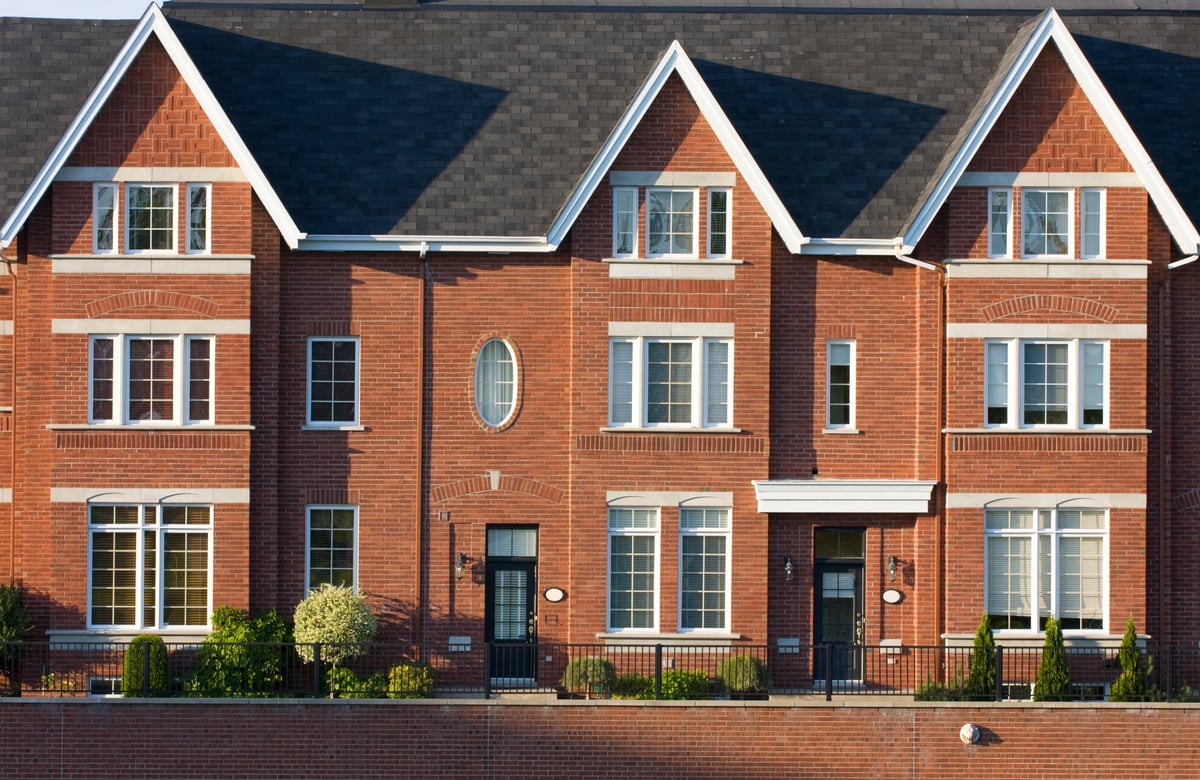
Rohomes / Townhomes$200K–$500K+
Advantages
Most common investment type. 3–4 bedrooms support rent-by-room strategy. Diverse buyer pool at exit (parent buyers, investors, owner-occupants).
Risks & Considerations
Older stock requires higher maintenance reserve. Age of mechanicals, roof, and envelope must be evaluated. Philadelphia L&I compliance needed for rental licensing.
Multi-Family (2–4 Units)$400K–$800K+
Advantages
Multiple income streams from one property. Can house a student in one unit while the others cover costs. Strong cash-flow potential if acquired at the right price.
Risks & Considerations
More intensive management. Philadelphia rental regulations apply to each unit. Financing typically requires investment-property loan terms. Limited inventory near campus.
Condos$200K–$450K
Advantages
Lower maintenance — HOA handles exterior and common areas. Newer construction in some University City buildings. May appeal to parent buyers at resale.
Risks & Considerations
HOA fees compress cash flow. Rental restrictions are common — verify before purchasing. Condo association financial health and pending assessments must be reviewed.
Cash Flow Analysis Framework
Every Drexel-area investment property should be evaluated using a detailed cash flow model. Below is the framework investors should apply:
Sample Cash Flow Model — Drexel-Area Rowhome
Educational estimate only. Actual results depend on specific property, financing, expenses, rental rates, and market conditions. DSCR in this scenario: ~1.18x. Not a guarantee of performance.
DSCR Financing for Drexel Rentals
Debt Service Coverage Ratio (DSCR) loans evaluate a property's projected rental income against its debt service rather than relying primarily on the borrower's personal income. For Drexel-area rental properties with strong rent-by-room projections, DSCR financing can be an attractive path — particularly for investors who already own other properties or whose personal DTI makes conventional investment-property loans difficult.
- Most DSCR lenders look for a minimum DSCR of 1.00x–1.25x (rental income ≥ 100%–125% of debt service).
- Down payment requirements typically range from 20%–30% for DSCR loans.
- Interest rates on DSCR loans are typically higher than conventional owner-occupied loans — factor this into the cash flow model.
- Lenders may use actual lease-based rent or a market rent appraisal to calculate qualifying income.
- DSCR loans are typically offered to entities (LLCs) as well as individuals, which can be useful for investors managing multiple properties.
Philadelphia Regulatory Environment
Philadelphia requires a Housing Rental License. For pre-1978 properties, lead certification is mandatory. The Department of Licenses and Inspections enforces compliance.
Philadelphia zoning limits the number of unrelated occupants per dwelling unit. The specific limit depends on the zoning district. Student rental configurations must comply — this is not negotiable and enforcement has increased.
Philadelphia regulates short-term rentals (Airbnb, etc.). Licensing and zoning compliance are required. Most Drexel-area student rental investors focus on traditional 12-month or co-op-cycle leases, not short-term rentals.
Philadelphia reassesses property values periodically. An increase in assessed value after purchase is possible. Factor potential assessment increases into the long-term cash flow model.
Exit Strategy for Drexel Rentals
Every investment purchase should include an exit strategy. For Drexel-area student rentals, the primary exit paths are:
Sell to Another Investor
Drexel's year-round demand and University City location make these properties attractive to other student-rental investors. Provide clean rent rolls and documented expenses.
Sell to a Parent Buyer
Well-maintained properties near campus appeal to parents evaluating the rent-vs-buy decision. A property that shows well as both a rental and a potential family purchase has the widest buyer pool.
Refinance & Hold Long-Term
If the numbers work, retain the property as a long-term Philadelphia real estate asset. The dual Drexel/UPenn demand driver provides enduring rental demand.
Analyze a Property
Explore Drexel-area properties with cash flow and DSCR estimates.
Related Guides
CollegeHousing.ai is an independent real estate and financing information platform and is not affiliated with or endorsed by Drexel University. This guide is educational only and does not constitute investment, financial, tax, legal, real estate, or lending advice. All financial figures are illustrative estimates, not guarantees of performance, rent, appreciation, or loan approval.