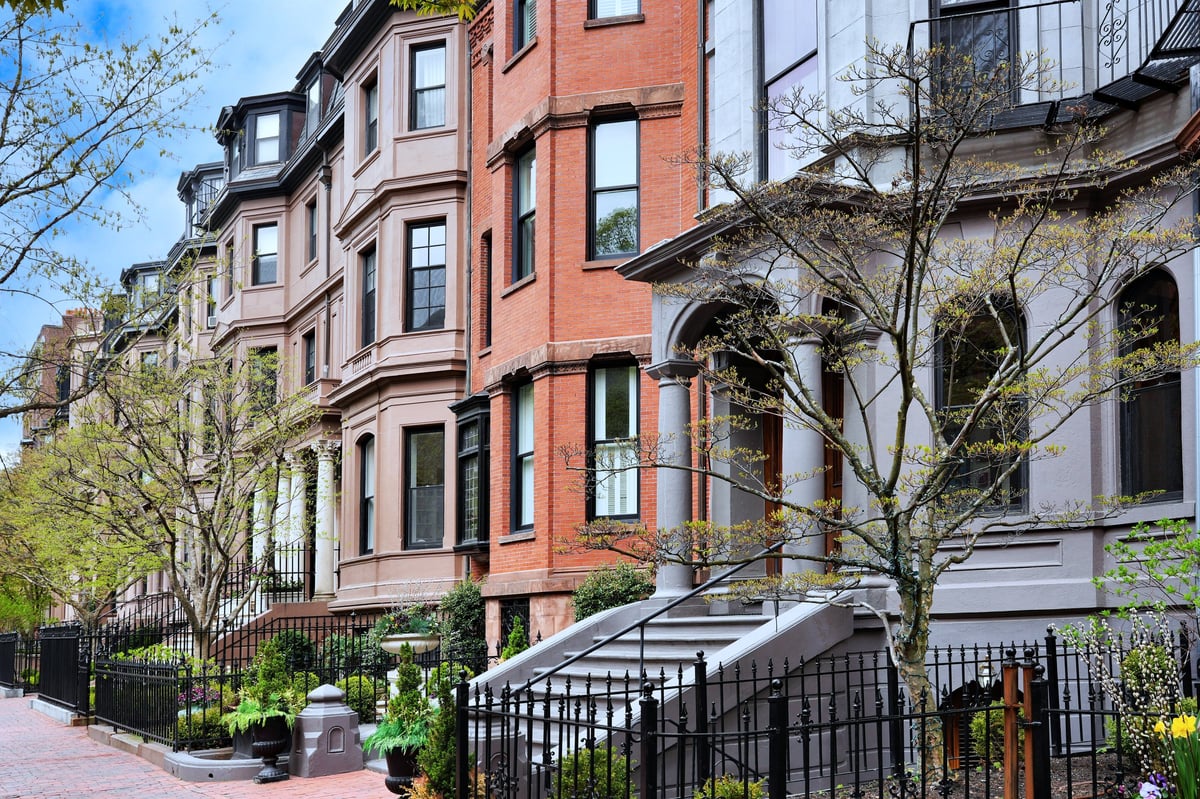
Why Parents Consider Buying Near Drexel
Drexel University enrolls approximately 22,000 students in Philadelphia's University City and Powelton Village neighborhoods. Unlike most universities, Drexel operates on a year-round quarter system with a signature co-op program — students alternate between academic terms and professional work terms, which means housing is needed across all four seasons. This continuous demand changes the rent-vs-buy calculation compared to schools with a traditional academic calendar.
For parents, the math often looks like this: four to five years of off-campus rent in University City at current market rates, versus four to five years of mortgage payments, property taxes, insurance, and maintenance — with the potential for roommate rent contributions, equity accumulation, and an exit strategy after graduation. Drexel's co-op schedule means the property can be utilized during all academic terms, eliminating the three-month vacancy gap common at other universities.
Understanding the Drexel Housing Market
Drexel's main campus sits at 3141 Chestnut Street in University City, immediately adjacent to the University of Pennsylvania. The primary off-campus housing zones include:
- Powelton Village — Tree-lined streets with Victorian-era homes and rowhomes. Popular with upperclassmen and graduate students. Prices are higher due to proximity and neighborhood character.
- University City (West) — The blocks immediately west of campus along Chestnut, Walnut, and surrounding streets. Mix of rowhomes, condos, and newer apartment buildings. Strong rental demand.
- Mantua — North of campus, this neighborhood has seen significant investment and development. Offers relatively lower entry prices with proximity to campus.
- Center City / Rittenhouse-Adjacent — East of the Schuylkill River, walkable to Drexel via bridge or transit. Condos and apartments at higher price points. Appeals to parents seeking a more metropolitan option that may serve as a personal pied-à-terre.
Philadelphia Market Note
Philadelphia property taxes operate differently from many other markets. The city assesses property value and applies a millage rate. The effective rate can vary by property type and assessment accuracy. Tax abatement programs for new construction and substantial rehabilitation have shaped University City development patterns. Verify current tax treatment with a Philadelphia real estate professional before making any purchase decision.
The Co-op Calendar Effect on Housing
Drexel's co-op program is one of the most important factors that sets this market apart. Students cycle between six-month academic terms and six-month co-op placements. Because co-op cycles are staggered across programs and class years, the net effect is year-round demand for off-campus housing. There is no single "move-in weekend" in August followed by a summer vacancy — the Drexel market stays active across all terms.
For a parent considering a purchase, this means:
- The property is likely to be occupied year-round rather than sitting empty over summer break.
- Lease cycles may align with co-op terms (September, January, March, June) rather than the traditional August-to-August academic lease.
- Roommate arrangements may change at co-op cycle boundaries, which affects rent collection and vacancy assumptions.
- A well-located property may attract tenants from both Drexel and the adjacent University of Pennsylvania, expanding the tenant pool.
Property Types Near Drexel
Rohomes & Townhomes
The dominant housing type in University City and Powelton Village. Typically 2-4 bedrooms with street parking or rear-access. Many are older construction requiring maintenance planning.
Condos
Newer construction in University City and select Center City locations. HOA dues must be factored into the monthly cost. Some buildings restrict rentals — review condo docs carefully.
Multi-Family Properties
Duplexes and triplexes that can house a student in one unit while renting the others. Requires more active management but can significantly offset ownership costs.
Single-Family Detached
Less common in the immediate campus area but available in neighborhoods within a 1-3 mile radius. More space but typically higher price points.
Key Financial Factors
When comparing rent versus buy near Drexel, parents should include these Philadelphia-specific costs in their calculation:
- Philadelphia Property Tax
The City of Philadelphia assesses property values and applies a millage rate. The effective rate varies — confirm the current assessment and tax liability for any property you evaluate.
- Transfer Tax
Philadelphia imposes a realty transfer tax on both buyer and seller. This is a one-time closing cost that should be factored into the acquisition budget.
- Homeowners Insurance
Philadelphia rowhomes and condos should be reviewed with a local insurance agent. Flood insurance may be relevant in certain zones. Expect $1,800–$2,800+/year depending on property type and coverage.
- HOA / Condo Fees
Condo buildings in University City carry monthly association fees that can range from $200 to $600+. Review the HOA financials and rental restrictions before purchasing.
- Maintenance Reserve
Older Philadelphia rowhomes require ongoing maintenance. Budget 1-2% of the property value annually for repairs, HVAC, roof, and general upkeep.
- Property Management
If you do not plan to self-manage, Philadelphia property management typically costs 8-10% of monthly rent plus leasing fees. Confirm with local providers.
Roommate Rent Contribution
One of the most powerful variables in the Drexel rent-vs-buy calculation is roommate rent. If parents purchase a 3- or 4-bedroom rowhome and the student occupies one bedroom, the remaining bedrooms can be leased to other Drexel students at market rates. At an estimated $900-$1,100 per bedroom per month in University City, two roommates could contribute approximately $1,800-$2,200/month toward the mortgage — potentially covering most or all of the monthly payment.
This strategy is not without risk. Roommate turnover at co-op cycle boundaries, non-payment, vacancy between tenants, and Philadelphia's occupant-limit rules all require attention. But for families who can manage these variables, the financial math can be compelling compared to paying rent for four or more years with no equity return.
After Graduation: Exit Strategy
Every parent purchase near Drexel should include an after-graduation plan. Common paths include:
Sell
List the property when the student graduates. Drexel-area homes attract parent buyers, investors, and Philadelphia residents — a relatively diverse buyer pool.
Refinance and Hold as a Rental
If the numbers work, convert to a traditional rental property serving the continuous Drexel/UPenn student market. Review DSCR and investment-property loan options.
Keep as a Personal Asset
Philadelphia is a major city with its own economic drivers beyond the university. Some parents retain the property as a city base or long-term investment.
Philadelphia Regulatory Considerations
Philadelphia requires a Housing Rental License for most rental properties. Lead certification is required for pre-1978 properties. Confirm current requirements with the Department of Licenses and Inspections.
Philadelphia zoning limits the number of unrelated occupants in a dwelling unit. Student rental configurations must comply with these limits. The specific limit depends on zoning district.
On-street parking in University City requires a residential permit. Most student rentals near Drexel rely on walk-to-campus access rather than dedicated parking.
Philadelphia regulates short-term rentals including Airbnb-style arrangements. Licensing and zoning compliance are required.
Start Your Review
Ready to evaluate a specific Drexel-area housing scenario?
Related Guides
CollegeHousing.ai is an independent real estate and financing information platform and is not affiliated with or endorsed by Drexel University. This guide is educational only and does not constitute financial, tax, legal, real estate, or lending advice. All housing decisions should be reviewed with qualified local professionals.