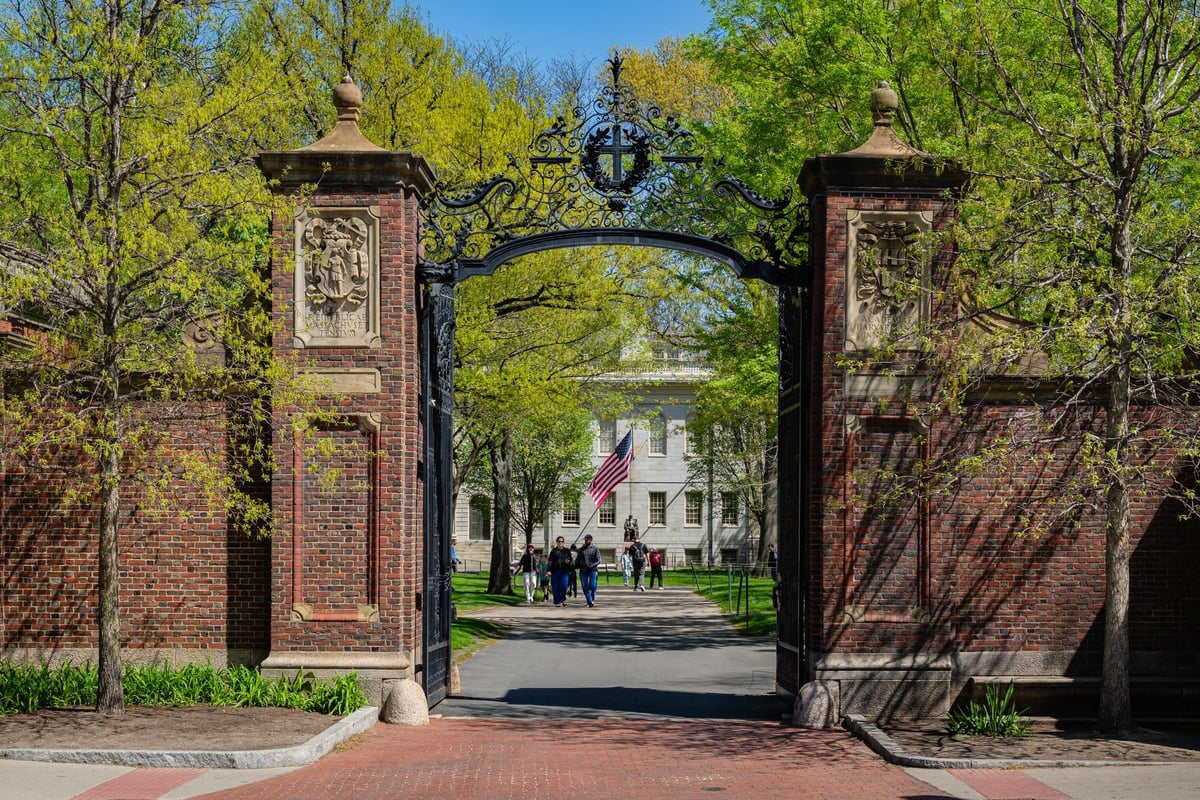
University of Houston Neighborhood Guide
A detailed comparison of Third Ward, Eastwood, Midtown, and University Oaks — the four primary areas for parents, investors, and buyers near UH.
Understanding UH's Neighborhood Landscape
The University of Houston sits in the heart of Houston's Third Ward, a historically significant neighborhood undergoing significant change. Unlike college-town markets where the university is the entire economy, UH is embedded in a major metropolitan area — which means the surrounding neighborhoods are a mix of student housing, long-term residential homes, new development, and commercial corridors.
This guide covers the four primary neighborhoods where UH parents, investors, and students typically look. Each area has a distinct character, price range, and set of trade-offs.
Third Ward
Closest to CampusThe historic Third Ward is directly adjacent to UH. This is the most convenient neighborhood for students — many streets are walkable or bikeable to campus. Housing stock ranges from renovated bungalows ($200,000–$375,000) to newer townhomes ($285,000–$450,000). The area is in active transition with significant investment from the university and city.
Pros
- Walking distance to UH
- Strong rental demand from students
- Active redevelopment and appreciation
- Cultural and historic character
Cons
- Flood zone exposure varies — check FEMA maps carefully
- Insurance costs can be higher in certain blocks
- Some blocks still have deferred-maintenance properties
- Limited grocery and retail walkability
Eastwood
Historic CharmEastwood is one of Houston's oldest planned subdivisions, located just east of UH. It offers larger lots, more established streets, and a stronger sense of neighborhood identity. Homes here tend to be older (1930s–1950s) with character — Craftsman and bungalow styles — and prices typically range from $300,000–$550,000 for renovated properties.
Pros
- Historic charm and larger lots
- Strong neighborhood association
- Growing restaurant and coffee scene on Harrisburg Blvd
- Generally outside the highest-risk flood zones
Cons
- Further from campus — biking is possible but most students drive or use transit
- Older homes mean higher maintenance
- Fewer student-oriented properties — mostly owner-occupied
- Limited inventory — homes sell quickly
Midtown
Urban LifestyleMidtown sits northwest of UH and offers the most urban living experience. The area is dense with apartments, mid-rise condos, and townhomes. It's popular with graduate students, young professionals, and parents who want a property with broader rental appeal beyond just students. Condos start around $180,000; townhomes range from $300,000–$600,000.
Pros
- Broad rental appeal beyond students
- Walkable to bars, restaurants, grocery stores
- METRORail access to downtown and UH
- Condo options for lower entry price points
Cons
- Higher price per square foot
- HOA fees in condo buildings can be significant
- Parking can be limited or expensive
- Student roommate model is less common here
University Oaks
Campus-Adjacent ValueUniversity Oaks is a small residential pocket just south of UH, between Scott Street and Cullen Boulevard. Homes here are typically modest single-family houses built between the 1940s and 1970s, with prices ranging from $180,000–$310,000. It's an entry-level option for buyers who want proximity to campus at a lower price point.
Pros
- Lowest entry price near UH
- Direct access to campus via Cullen or Scott
- Potential for appreciation as the area develops
- Simple, low-maintenance lots
Cons
- Limited amenities within walking distance
- Flood risk varies — many blocks are in or near flood zones
- Fewer renovated properties — may need updating
- Smaller student community — less built-in roommate demand
Flood Zone Considerations Across All UH Neighborhoods
Houston's flat topography and proximity to bayous means flood risk is real in every neighborhood near UH. The critical step before buying: check the FEMA flood map for the specific property. Even homes outside the 100-year floodplain can flood — Hurricane Harvey demonstrated that over 60% of flooded homes in Harris County were outside designated flood zones.
Flood insurance costs vary dramatically: a property in Flood Zone X (low to moderate risk) may cost $600–$1,200/year, while one in Zone AE (high risk) can reach $2,500–$4,500+/year. This single factor can swing the ownership math by $200–$350/month. Always get a flood insurance quote before making an offer.
Educational DisclaimerThis guide is for informational purposes only. Neighborhood conditions, property values, flood zones, and market dynamics change. Always verify current conditions with a local real estate professional before making purchase decisions.