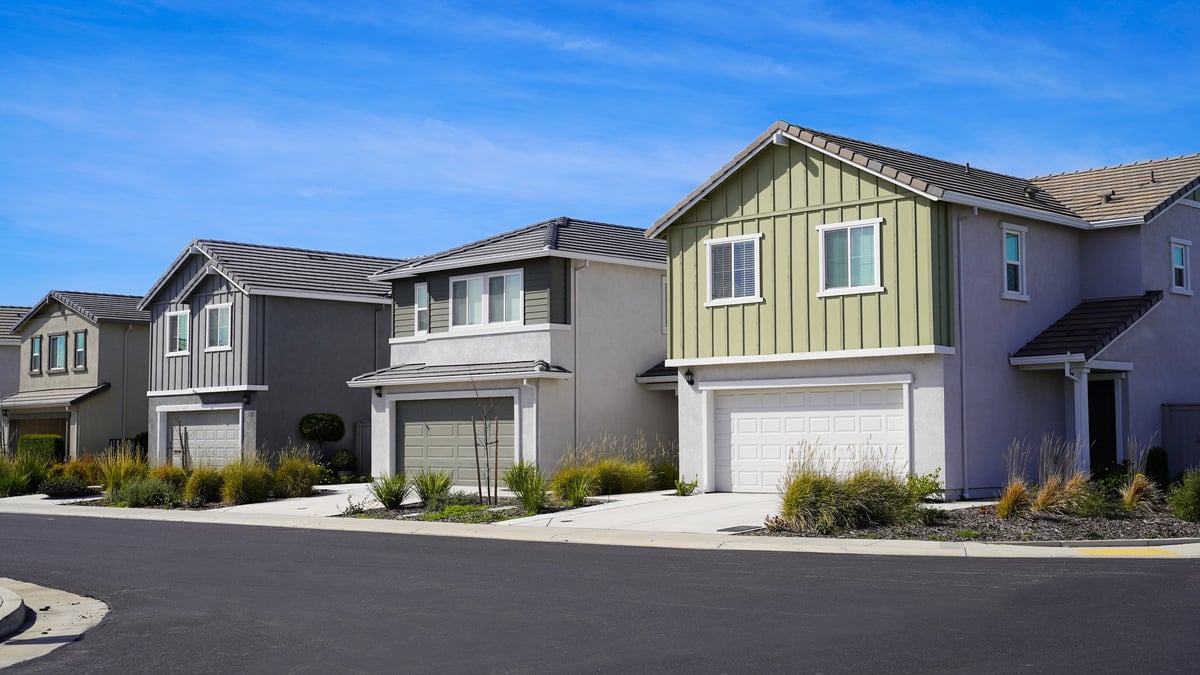
Evaluating Stanford University-Area Rentals as an Investment
Student housing near Stanford University in Palo Alto, CA can be an attractive investment category because rental demand is tied to a major university. However, like any real estate investment, the numbers must work. Investors considering the Palo Alto market near Stanford University should evaluate rent income, operating expenses, vacancy and turnover costs, financing, lease structure, and local regulations.
With a median home value of approximately $1,650,000 and median gross rent of $4,200/month in Palo Alto, the starting math varies by property type, bedroom count, location, and rent-by-room vs. rent-by-unit strategy.
This guide provides a framework for evaluating whether a Stanford University-area rental may work as an income-producing asset — it is not a guarantee of performance, and each property should be evaluated individually with professional input.
Key Investment Metrics to Review
Gross Rental Income
Estimate of total monthly or annual rent — by bedroom or by unit. In Palo Alto near Stanford University, per-bedroom rents vary by location, quality, and lease type.
Operating Expenses
Property taxes, insurance, maintenance (~10–15% of rent), property management (8–12%), utilities (if owner-paid), HOA, and vacancy allowance.
Net Operating Income (NOI)
Gross rent minus operating expenses (excluding debt service). NOI is the property's unlevered cash flow before mortgage payments.
Debt Service & DSCR
Monthly mortgage payment (PITI). DSCR = NOI / debt service. Many investment-property lenders look for DSCR of 1.20–1.25x or higher.
Cash-on-Cash Return
Annual pre-tax cash flow divided by total cash invested (down payment + closing costs + any upfront repairs). Helps compare investment efficiency.
Cap Rate
NOI divided by purchase price. Provides a quick yield comparison across properties independent of financing.
Palo Alto Student Rental Considerations
Rent-by-room vs. rent-by-unit
Renting by the bedroom (with shared common areas) can yield higher total rent but requires more management. Renting by the unit is simpler but may leave rent income on the table in a strong Palo Alto student market.
Lease timing and turnover
Student leases near Stanford University typically follow the academic calendar. Properties vacant during summer months lose 2–3 months of rent unless leased for 12-month terms or sublet.
Security deposits and guarantors
Student tenants often have parent guarantors, which can reduce default risk but adds complexity to lease agreements and collections.
Property condition and maintenance
Student-occupied properties may experience higher wear and tear than owner-occupied homes. Budget 10–15% of rent for maintenance reserves.
Local rental regulations
Check Palo Alto and CA rules on rental registration, occupancy limits, safety inspections, and zoning before purchasing.
Exit Strategy for Stanford University Investment Properties
A clear exit strategy should be part of any investment decision. Near Stanford University, options include:
- Sell to another investor — a stabilized, leased property with documented rent history can attract investor buyers.
- Sell to a parent buyer — parents of Stanford University students represent a consistent pool of owner-occupant buyers.
- Refinance and hold — pulling equity out through refinancing while keeping the rental income stream.
- Sell to a local buyer — in Palo Alto, university-area properties often appeal to faculty, staff, and local professionals.