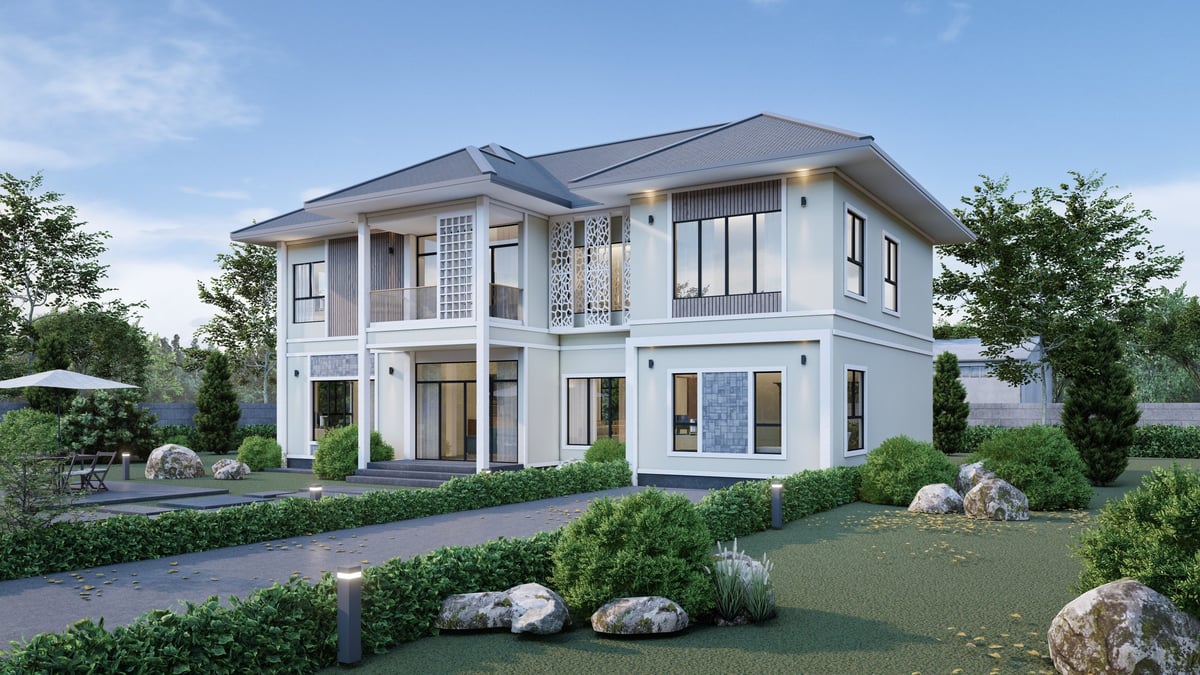
Buying Housing Near Arizona State University: A Parent's Guide to Tempe Campus Areas
What parents should evaluate when comparing rent, ownership, neighborhood selection, financing, and resale potential near Arizona State University — from property types and HOAs to roommate income and exit strategy.
Why Some Families Compare Renting with Purchasing Near ASU
When a student enrolls at Arizona State University, housing is one of the largest expenses outside of tuition. For a four-year degree, the total rent bill in Tempe can reach $38,000–$67,000 per student — and that is money that goes entirely to a landlord. Some parents look at that number and ask whether buying a property near campus could serve as housing during the college years and an asset afterward.
Tempe's metro-Phoenix context makes this question different from college towns where the university is the primary employer. The greater Phoenix area has broad employment, population growth, and a housing market that is not solely dependent on ASU. This means the resale audience after graduation is potentially wider than in single-university towns.
But buying near ASU is not automatically the right move. It involves a set of decisions — property type, financing structure, roommate management, HOA governance, and exit planning — that parents should work through before writing an offer. This guide walks through each of those decisions.
Establishing the Intended Ownership Period and Occupant Structure
The first question is not "what property" — it is "for how long and for whom." A parent buying for a four-year undergraduate timeline has a different set of constraints than a parent buying for a graduate student with an uncertain timeline, or a parent who plans to keep the property as a long-term rental.
Four-year undergraduate timeline
The student lives in the property for four years. Roommates may contribute rent. After graduation, the property is typically sold or converted to a rental. A four-year hold means transaction costs (roughly 2–3% on the buy side, 6–7% on the sell side) are amortized over a relatively short period — appreciation and roommate income need to work hard to offset them.
Extended timeline (graduate school, indefinite hold)
The property may house the student through graduate school, or the family intends to keep it as a Phoenix-area asset regardless of the student's plans. A longer hold reduces the annualized impact of transaction costs and gives more time for appreciation and rent growth. It also shifts the financing conversation — a loan structured as owner-occupied at purchase may need to be revisited if the property becomes a pure rental.
Shared occupancy (student + roommates)
Most parent-owned ASU-area properties house the student plus one to three roommates. This is not incidental — roommate rent is often the factor that makes ownership comparable to or cheaper than renting. But roommate income is not guaranteed, and vacancy risk should be built into every estimate.
Comparing Property Types Near ASU's Tempe Campus
The Tempe market offers several property types, each with different ownership profiles. Parents should evaluate each through the lens of their intended use, not just purchase price.
| Property Type | Typical Profile |
|---|---|
| Condominium | 2–3 BR, $250K–$450K |
| Townhome | 2–4 BR, $350K–$600K |
| Single-Family Home | 3–5 BR, $450K–$800K+ |
| Small Multifamily | Duplex/Triplex, $500K–$900K+ |
Distance, Transit, and Campus Access
ASU's Tempe campus is large — roughly 660 acres — and access depends on which part of campus the student frequents. The Valley Metro Light Rail runs along Apache Boulevard on the south side of campus and connects to downtown Tempe, Mill Avenue, downtown Phoenix, and Mesa. Tempe also has a network of bike lanes and pedestrian paths, and Orbit — Tempe's free neighborhood circulator — serves areas around the university.
Properties within a half-mile walk of campus command a premium. Properties one to two miles out — particularly south of Broadway Road or west toward Priest Drive — tend to offer more square footage per dollar but rely more on biking, driving, or transit. For parent buyers, the trade-off is between walkable convenience and the property itself. A larger home with a yard two miles from campus that costs the same as a two-bedroom condo across the street may be the right call depending on priorities.
Parking on and near campus is constrained. Many students use a combination of walking, biking, and transit. If a property includes off-street parking — a garage, carport, or dedicated spaces — that is a meaningful amenity for both occupancy and resale.
HOA Dues, Restrictions, and Ongoing Ownership Costs
Homeowner associations are common in Tempe condos, townhome communities, and some single-family subdivisions. Before purchasing, parents should review the HOA's financial statements, reserve study, meeting minutes, and rules — particularly around rental restrictions, occupant limits, and special assessments.
Monthly ownership costs for a $425,000 property with 20% down at 6.75% in Tempe might look like this — but this is an illustrative scenario, not a quote:
- Principal & interest: ~$2,205/mo
- Property tax (~0.62% effective rate in Maricopa County): ~$220/mo
- Insurance: ~$125–$175/mo
- HOA (varies widely): ~$0–$400/mo
- Maintenance reserve (1%/yr): ~$354/mo
Total: roughly $2,900–$3,350 per month before roommate contributions. With two roommates each paying $850/month, the net monthly cost to the family drops to approximately $1,200–$1,650 — which may be in the range of Tempe rent for a comparable property.
Roommate-Income Assumptions and Vacancy Risk
Roommate rent is often the difference between a property that stretches the budget and one that makes financial sense. But roommate income should be modeled conservatively. Budget for at least one month of vacancy per bedroom per year, and remember that summer subletting in Tempe — while demand is generally strong given ASU's year-round enrollment — is not guaranteed for every property in every location.
A conservative framework: assume 10.5 months of rent collection per bedroom per year, not 12. If a three-bedroom property rents two additional bedrooms at $850/month each, that is $17,850 annually at full occupancy and roughly $15,600 at 92% collection. The difference — approximately $2,250 — is a reasonable vacancy buffer.
Parents should also consider whether they are comfortable acting as landlord to their student's roommates — collecting rent, handling maintenance requests, and managing turnover between academic years. Some parents hire a property manager even during the student-occupied period, which adds 8–10% of gross rent as an expense but removes the hands-on management burden.
Financing, Resale Audience, and Exit Planning
The financing classification — owner-occupied, second home, or investment property — drives the down payment, interest rate, and underwriting. Parents who plan to have their student occupy the property may qualify for owner-occupied financing with a lower down payment (as low as 5% for conventional loans), while investment-property loans typically require 20–25% down and carry higher rates.
The exit strategy should be part of the initial purchase decision. A property that works well as a four-year owner-occupied residence — say, a two-bedroom condo near Mill Avenue — may not be the optimal long-term student rental if the HOA caps rentals or if maintenance costs are rising. Conversely, a four-bedroom house further from campus that costs more upfront may be easier to sell or rent to a broader audience after graduation.
Before purchasing, parents should walk through each exit scenario — sell, rent, refinance — and estimate the numbers under conservative assumptions. A local real estate professional and a licensed loan officer can help stress-test each scenario against current Tempe market conditions.
Parent-Buyer Decision Checklist
- 1Establish the intended ownership period — four years, extended, or indefinite.
- 2Determine who will occupy the property and whether roommates are part of the plan.
- 3Compare property types (condo, townhome, single-family) against your goals, not just price.
- 4Review HOA documents: dues, rental restrictions, occupant limits, reserve study, and special-assessment history.
- 5Estimate total monthly ownership cost including tax, insurance, HOA, and maintenance — before roommate contributions.
- 6Model roommate income conservatively — budget 10.5 months of rent per bedroom, not 12.
- 7Research financing classification: owner-occupied, second home, or investment property — each has different down payment and rate implications.
- 8Walk through all three exit scenarios: sell, rent, refinance — and test each with conservative assumptions.
- 9Review Arizona property tax treatment and Maricopa County assessment practices.
- 10Understand parking, transit, and campus access for each property.
- 11Discuss property management: self-manage during student occupancy or hire a manager?
- 12Consult a licensed loan officer, local Realtor, insurance professional, and tax advisor before committing.
Questions to Ask Local Professionals
Before purchasing near ASU, parents should have conversations with several professionals. Here are questions to bring to each conversation:
Local Realtor
Which Tempe neighborhoods see the strongest resale demand from parent buyers and investors? What HOA restrictions should I know about in the communities I'm considering? How long do properties in this price range and area typically stay on the market?
Licensed Loan Officer
What financing classification applies given my intended occupancy and use? What is the difference in down payment and rate between owner-occupied and investment-property financing? How does potential roommate income factor into loan qualification?
Insurance Professional
What does a standard homeowner policy cover in this area, and what requires a rider? How do Arizona monsoon and heat-related risks affect premiums and coverage?
Property Manager (if applicable)
What is your fee structure and what does it include? How do you handle student-tenant turnover and summer vacancy? What are the typical make-ready costs between tenants in this market?
Educational DisclaimerThis article is for educational and informational purposes only. It does not constitute financial, tax, legal, real estate, or lending advice. Property tax rates, insurance costs, financing terms, HOA rules, rental income, and property values vary by property, borrower, lender, and market conditions. CollegeHousing.ai does not guarantee loan approval, rental income, appreciation, or investment performance. CollegeHousing.ai is an independent platform and is not affiliated with, endorsed by, sponsored by, or operated by Arizona State University. Consult a qualified professional before making purchase, sale, or financing decisions.