


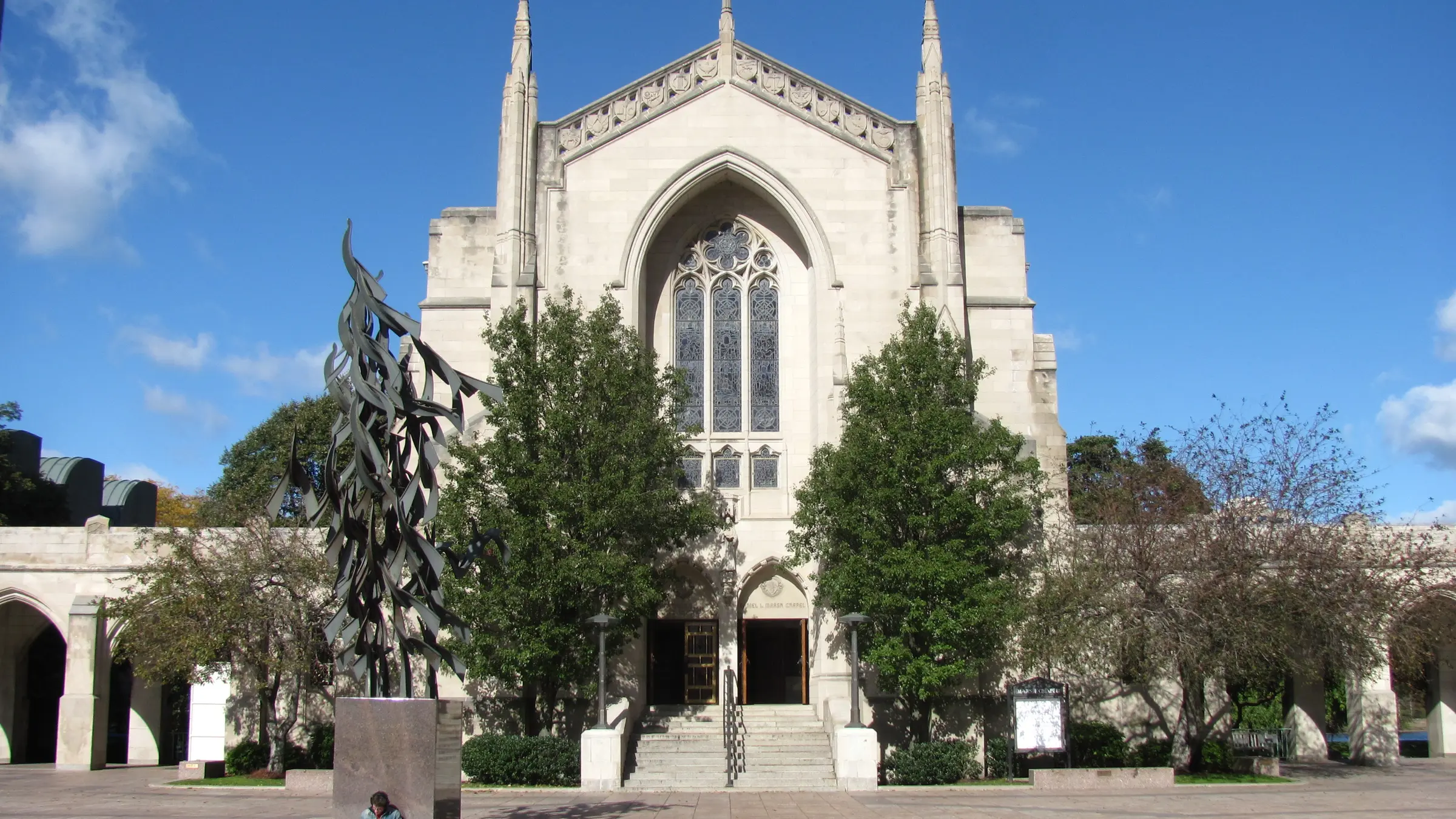

Parent guide
Buying a Home for Your College Student
Occupancy, costs and the plan after graduation.
Read Guide →A HOME NEAR CAMPUS. A PLAN THAT FITS.
Buying for your student, investing in a rental or financing a property you already found? Keep the campus, property and assumptions together, then route the scenario to an appropriately eligible professional.

CAMPUS + STATE CONTEXT
Campus and property state affect which professional can originate the loan. Selecting the college keeps that context attached to the scenario instead of presenting one lender nationwide.
START WITH YOUR SITUATION
Tell us who the home is for and what you’re planning. See useful next steps before sharing contact information.
Different goals. Different loan structures.
Explore occupancy, down payment, and documented income.
Owner-occupied paths with mortgage insurance and property requirements.
For eligible military borrowers; occupancy and lender review apply.
Rental-property financing based on a lender’s rent coverage calculation.
Alternative income documentation for self-employed borrowers.
Loan amounts above the applicable conforming limit.
Replace an existing mortgage while accessing eligible equity.
Understand a second mortgage or revolving credit line.
These categories appear on Matt’s professional lending websites. Specific products, terms and state availability must be confirmed for your transaction. “Kiddie condo” describes a family borrowing scenario, not a separate guaranteed loan product.
Direct answers, practical questions and tools to help you prepare.
Occupancy, costs and the plan after graduation.
Read Guide →
A deal-first framework for a campus-area rental.
Read Guide →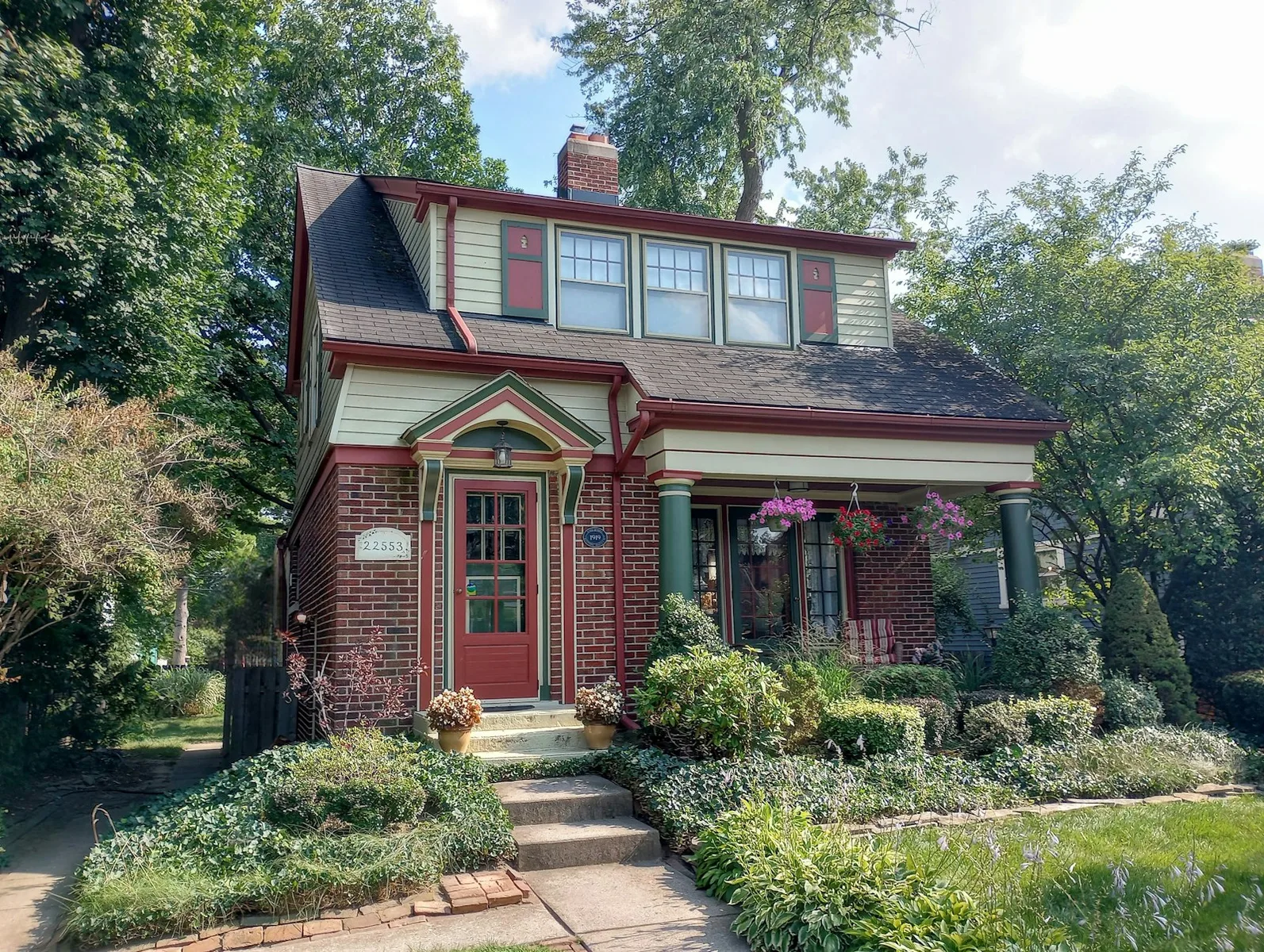
Understand rent coverage, requirements and cash flow.
Read Guide →
Test a two-, three- or four-year ownership plan.
Read Guide →
Compare conventional and rental-income financing with a complete operating budget.
Read Guide →
Understand family co-borrowing without assuming a special guaranteed loan program.
Read Guide →
Organize business income, personal obligations and documentation before comparing paths.
Read Guide →
Review alternative documentation, deposit analysis and the cost of the loan.
Read Guide →
Explore alternative mortgage categories and their borrower-specific tradeoffs.
Read Guide →
Model the payment, closing costs and purpose of accessing property equity.
Read Guide →
Understand a lump-sum second mortgage, a credit line and the payment risks.
Read Guide →
Prepare your property goal, documents and financing questions for a lender review.
Read Guide →
Start with occupancy, income documentation and the full monthly payment.
Read Guide →
Understand what to ask about an FHA path for an eligible home purchase.
Read Guide →
Explore a VA home-loan conversation with the right eligibility questions.
Read Guide →
Compare loan amount, county limits, reserves and property-specific terms.
Read Guide →
Understand why a college-area property is not automatically a second home.
Read Guide →
Compare upfront cash, monthly payment and the reserves you will retain.
Read Guide →YOUR NEXT STEP
Send your question and the numbers you have explored. Matt can help you understand the financing questions that come next.

Published professional information currently lists AZ and TX. Confirm current state and program eligibility before application.
Educational estimates only. No loan approval, rate quote, or commitment to lend. Rates, terms, down payment, documentation, reserves, occupancy and property eligibility vary by borrower, lender, state and program. Rental income, appreciation and investment returns are not guaranteed.
Matt Dean · NMLS #227603 · NEXA Lending · Company NMLS #1660690. Check licensing at NMLS Consumer Access. Professional site lists Arizona and Texas. State-specific availability must be confirmed before application.
CollegeHousing.ai and NEXA Lending are independent of every university; no university affiliation, endorsement, or sponsorship is implied. Privacy · Terms · Campus image credits · Matt’s professional website
A HOME NEAR CAMPUS. A PLAN THAT FITS.
Buying for your student, investing in a rental or financing a property you already found? Keep the campus, property and assumptions together, then route the scenario to an appropriately eligible professional.