Start With Rent
Use supportable rental income, not an optimistic target.
INVEST WITH A CLEARER PICTURE
Explore financing for a non-owner-occupied rental, understand the coverage calculation, and test whether the deal makes sense after expenses.
Start with the property’s rental income.

A debt service coverage ratio loan is an investment-property financing approach that evaluates rent relative to the proposed housing payment. It can be relevant when the rental property, rather than conventional personal-income documentation, is central to the loan review.
Matt’s published lending categories include DSCR. The exact documentation, property types, cash reserves and acceptable coverage ratio depend on the lender and program.
Use supportable rental income, not an optimistic target.
Credit, assets and the property still matter.
Check permitted use, leases and local operating costs.
THE NUMBERS, WITH YOUR ASSUMPTIONS
The interest rate is a planning input, not a current offer. Enter actual taxes, insurance, HOA and mortgage insurance when available. Results update as you type.
Enter the property price and your financing assumptions to see an estimate. Add only costs you know; confirm zero where it applies.
Explore how a DSCR conversation changes with the property.
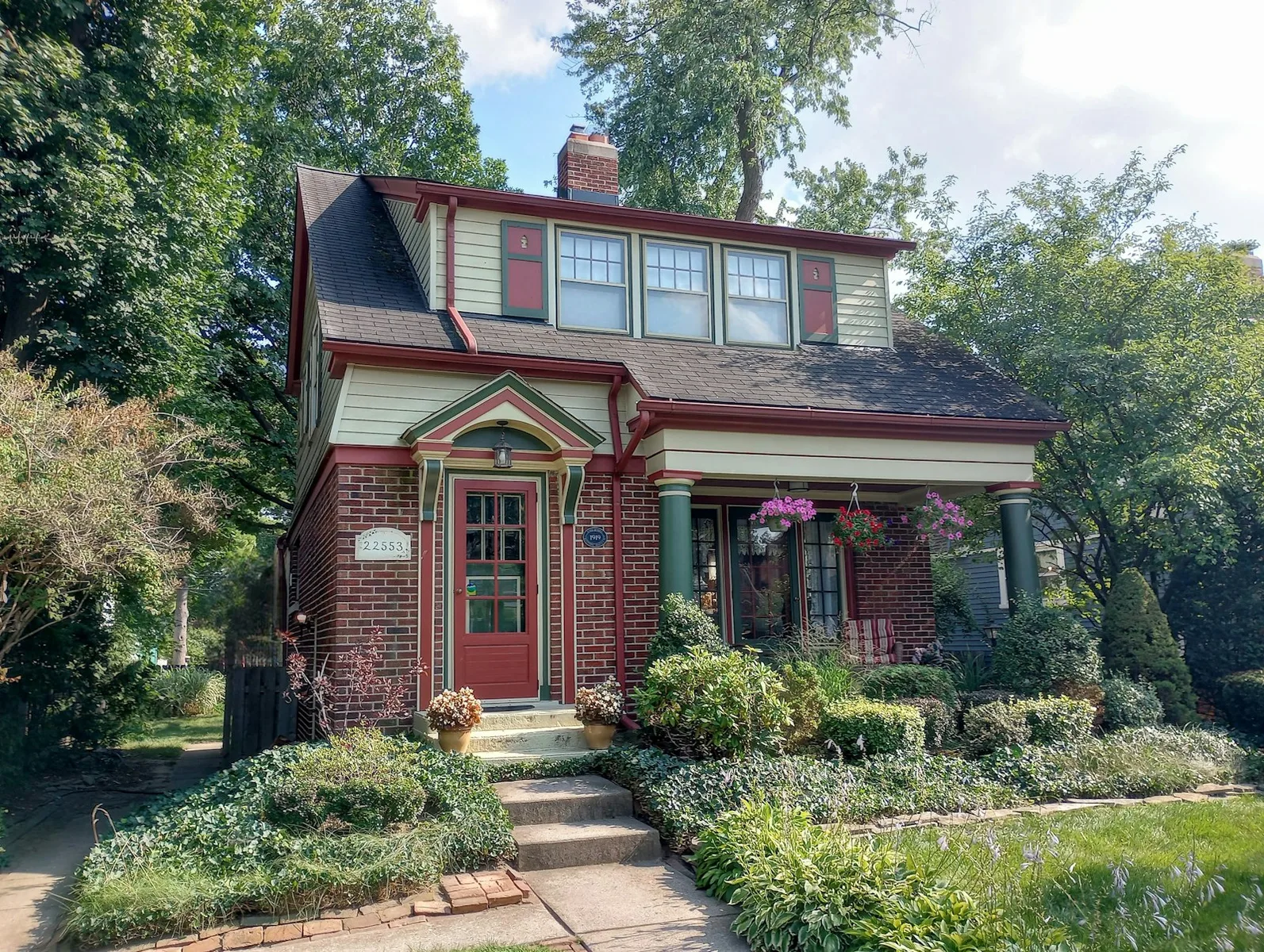
A rental home and a budget built around its actual costs.
Learn More →
Explore financing for a duplex or small multifamily property.
Learn More →
Review property-level cash flow across an investment plan.
Learn More →
Check association rules, project eligibility and rental use.
Learn More →Use local property and rental evidence, operating costs, and the intended occupancy. Bring a specific property and your assumptions to the review.
Explore Menlo housingReview this college with Matt DeanA lender’s qualifying ratio and your investment cash flow are different calculations.
Gross monthly rent divided by principal, interest, taxes, insurance, association dues and any entered mortgage insurance. The calculator labels this residential DSCR.
Confirm the lender’s own denominator and rent treatment before relying on a result.
Net operating income divided by principal and interest. This version deducts vacancy and operating costs before measuring coverage.
It can help compare a property’s operations, but it is not interchangeable with every residential DSCR program.
Cash flow subtracts vacancy, management, maintenance, taxes, insurance, HOA, other expenses and debt service from rent.
A property may clear one coverage test while producing little or negative spendable cash.
There is no single rate that applies to every rental. Occupancy, leverage, credit, property details, points and prepayment structure can change a lender’s offer.
Use the calculator rate as an assumption. Ask for a written, scenario-specific quote with the same loan amount, lock period, points and prepayment terms across lenders.
Keep the total cost and your planned exit beside the advertised rate.
Request a Personalized Rate ReviewA ratio above 1.00 means the numerator exceeds the denominator under the calculation you used. That is an arithmetic result, not a universal loan minimum. Each lender sets its own rent calculation and eligibility requirements.
No. Alternative personal-income treatment does not remove property, credit, asset, identity or other lender checks. Ask for the documentation checklist for the exact program.
Do not assume a family-occupied property qualifies as an investment rental. Disclose the family relationship, ownership and use before choosing a loan. A parent/student occupancy discussion may lead to a different structure.
Compare cash to close, monthly cost and reserves using more than one down-payment assumption. The minimum depends on the program, occupancy, property and borrower. A calculator does not determine eligibility.
No. Rates in the tools are editable planning assumptions. Request a personalized review and compare lender disclosures before choosing a loan.
START WITH YOUR SITUATION
Tell us who the home is for and what you’re planning. See useful next steps before sharing contact information.

Occupancy, costs and the plan after graduation.
Read Guide →
A deal-first framework for a campus-area rental.
Read Guide →
Understand rent coverage, requirements and cash flow.
Read Guide →
Test a two-, three- or four-year ownership plan.
Read Guide →STATE-AWARE FINANCING ROUTING
Your campus, property and planning numbers remain attached. Matt Dean’s published professional information currently lists Arizona and Texas. CollegeHousing.ai does not present him here as the mortgage originator for a CA property.
Continue using the planning tools, then confirm the individual originator’s current state eligibility and exact loan program before application.
Educational estimates only. No loan approval, rate quote, or commitment to lend. Rates, terms, down payment, documentation, reserves, occupancy and property eligibility vary by borrower, lender, state and program. Rental income, appreciation and investment returns are not guaranteed.
Matt Dean · NMLS #227603 · NEXA Lending · Company NMLS #1660690. Check licensing at NMLS Consumer Access. Professional site lists Arizona and Texas. State-specific availability must be confirmed before application.
CollegeHousing.ai and NEXA Lending are independent of every university; no university affiliation, endorsement, or sponsorship is implied. Privacy · Terms · Campus image credits · Matt’s professional website
Menlo · INVEST WITH A CLEARER PICTURE
Explore financing for a non-owner-occupied rental, understand the coverage calculation, and test whether the deal makes sense after expenses.
Start with the property’s rental income.