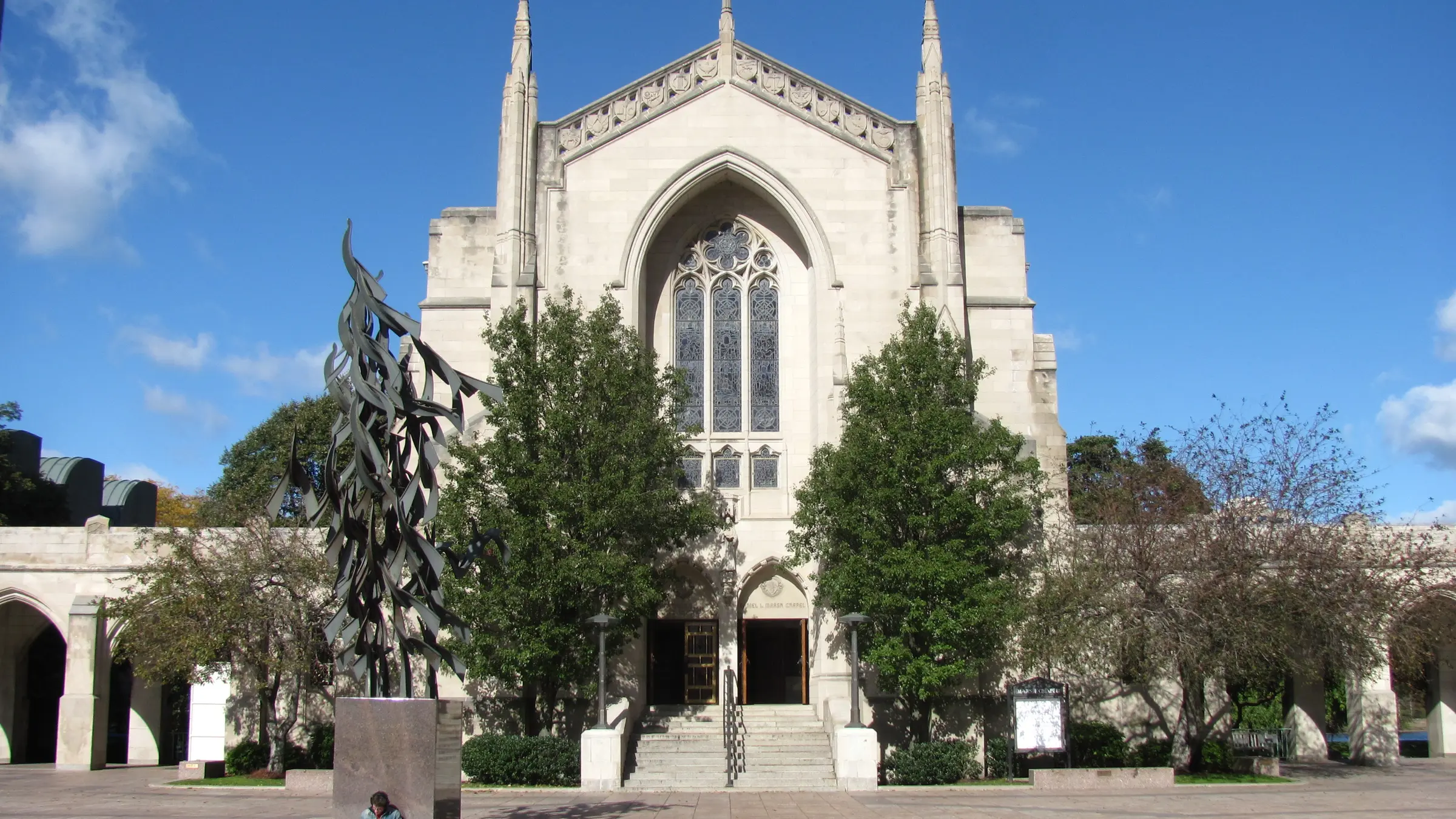
DIRECT ANSWER
Boston University supports a substantial, recurring off-campus housing ecosystem, but the defensible evidence is a mix of enrollment, university-housing participation, off-campus search activity and Boston’s academic lease cycle—not one universal vacancy statistic. BU reports 38,093 students in FY2025, including 18,341 graduate and professional students, while 66% of undergraduates live on campus. Those facts support university-linked rental demand without proving that every nearby unit is highly occupied or that a specific property will achieve a particular rent.
BU DEMAND SNAPSHOT
Use five verified signals before making a rental-demand claim.
These are evidence points, not a vacancy forecast. The property still has to work at the unit and neighborhood level.
WHAT TO VERIFY NEXT
Move from the answer to the actual decision.
Match the property to the exact BU campus, commute and renter audience rather than using “near BU” as one market.
Verify current private-market rent comps, legal bedroom count, lease terms and vacancy for the exact property.
Check condo or HOA rental restrictions, local occupancy rules, insurance, utilities and property-management costs.
Underwrite an exit plan that still works if the future renter is not a BU student.
DETAIL 01
The BU housing ecosystem is large, but enrollment is not the same thing as renter demand.
BU reports 38,093 students in FY2025: 18,253 undergraduates, 18,341 graduate and professional students, and 1,499 nondegree students. BU also reports that 66% of undergraduates live on campus. That creates a large university-linked housing ecosystem, but CH2 does not turn enrollment into an invented off-campus renter count.
- First-year students are required to live on campus under BU’s published housing policy.
- Graduate and professional students are a large separate audience whose housing needs cannot be inferred from undergraduate residence-hall statistics.
- BU Off-Campus Services is available to students, faculty, staff and alumni, so university-linked private-housing activity is broader than undergraduate students alone.
DETAIL 02
University housing is both competition and a useful cost benchmark.
BU guarantees on-campus housing for undergraduates and publishes a wide range of 2026–27 housing choices. Apartment-style university housing begins at $17,560 for the academic year for an apartment with two or more students. That number is useful context for a family comparing choices, but it is not a private apartment rent comp and should not be converted into one.
- Compare a private rental against the full university-housing alternative, including dining-plan differences where applicable.
- Do not assume an off-campus unit wins simply because its monthly asking rent looks lower.
- For an investment property, use current private-market comps for the exact unit type and neighborhood.
DETAIL 03
BU-related rental demand follows an academic search and turnover cycle.
BU Graduate Education says renters should start the housing search as early as four months before move-in. BU Medical Campus Housing Resources describes September-to-August as the most common academic-calendar lease period and says available apartments increase during May, June and July as students graduate or leave for summer.
- Lease-up timing matters: a unit entering the market at the wrong point in the cycle may face a different renter pool.
- A 12-month academic lease can create summer sublet, turnover and roommate-planning issues that should be underwritten explicitly.
- Demand should be checked by current lease cycle and property type rather than treated as a constant annual percentage.
DETAIL 04
“Near BU” is not one rental market.
Boston University operates the Charles River Campus, Medical Campus and Fenway Campus. BU’s own off-campus guidance tells renters to compare neighborhoods by campus proximity and public transportation. A property’s demand case therefore depends on the exact daily destination, route, unit type and price—not simply the Boston University name.
- Charles River Campus searches often require a different neighborhood and transit lens than Medical Campus searches.
- Commute friction can matter as much as straight-line distance.
- The same apartment can appeal differently to undergraduates, graduate students, employees and non-BU renters.
DETAIL 05
What an owner or investor should underwrite before calling the demand “strong.”
The BU evidence supports recurring university-linked rental activity, but property economics still have to be proven at the unit level. CH2 would not publish a vacancy rate, rent-growth forecast or investment return from enrollment alone.
- Current comparable rents and actual lease terms for the same unit type.
- Realistic vacancy, turnover, cleaning, repair and property-management assumptions.
- Legal occupancy, rental registration, condo/HOA rules and insurance for the intended use.
- Utilities and heat responsibility, which can materially change the renter and owner cost comparison.
- A broader renter and resale audience so the property does not depend on one student cohort.
DETAIL 06
What this evidence does not prove.
A large student population does not prove a specific vacancy rate. A BU off-campus marketplace does not prove that every listing is occupied. University housing rates are not private-market rent comps. And a September lease cycle does not guarantee year-round demand for every unit. Those distinctions are part of the page standard: the evidence should make the decision sharper without pretending to know what the sources do not establish.
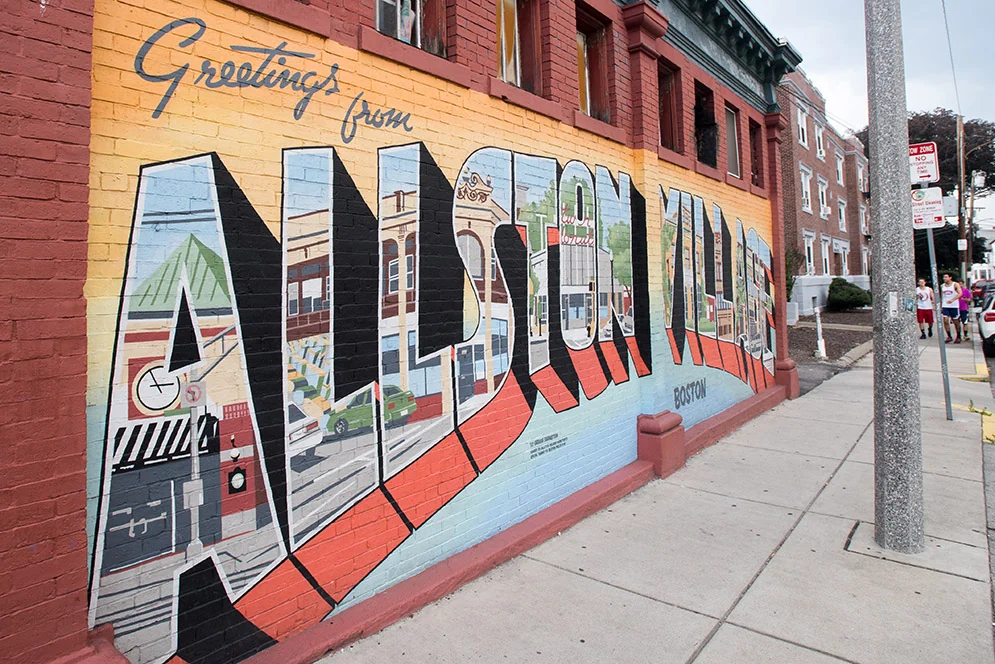
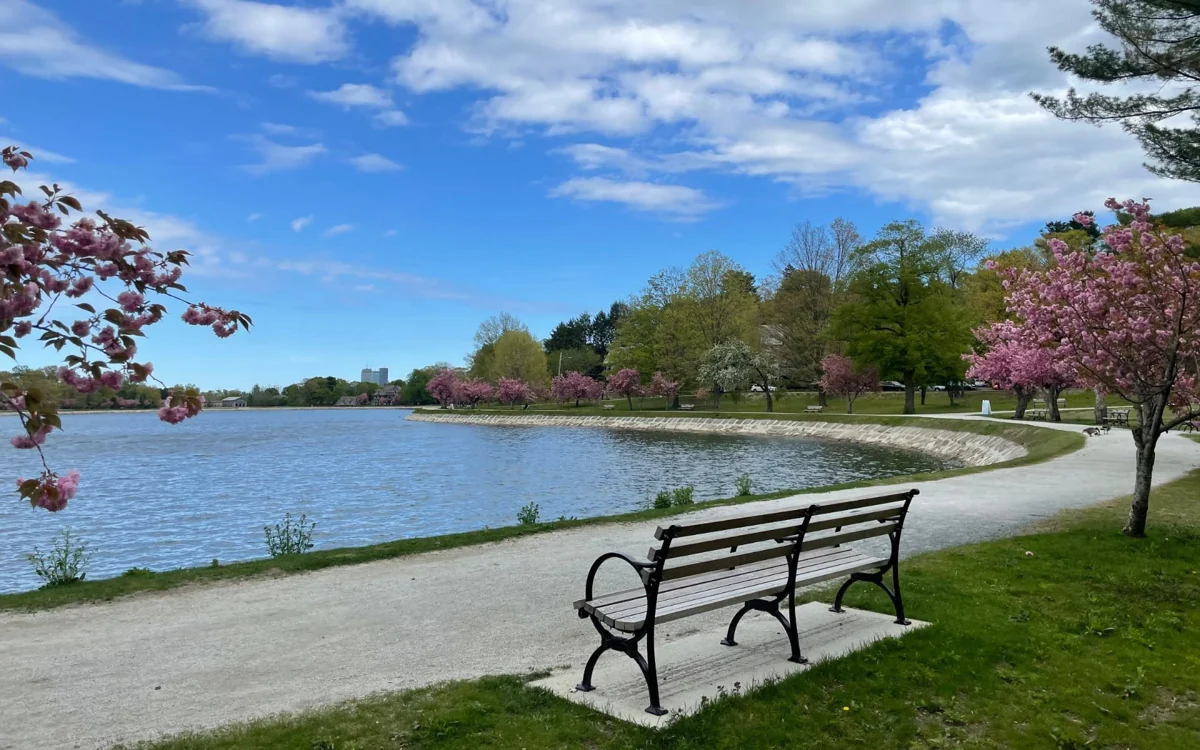
RENTAL-DEMAND JOURNEY · VISUAL CONTEXT
Show the housing decision—not generic decoration.
RENTAL-DEMAND JOURNEY · PROPERTIES
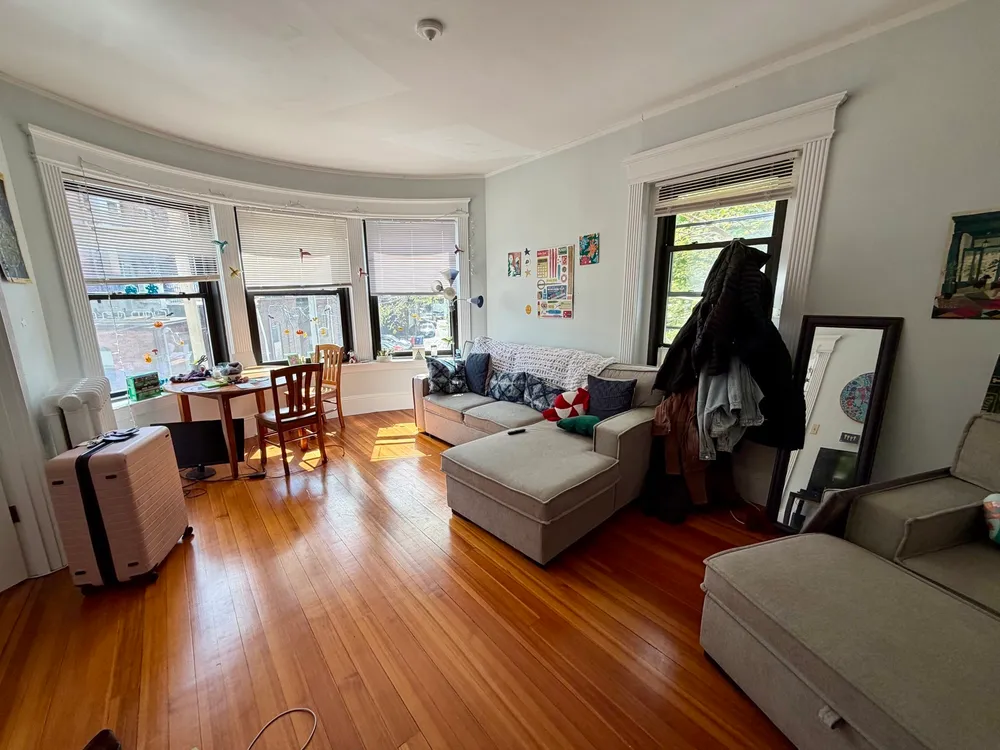
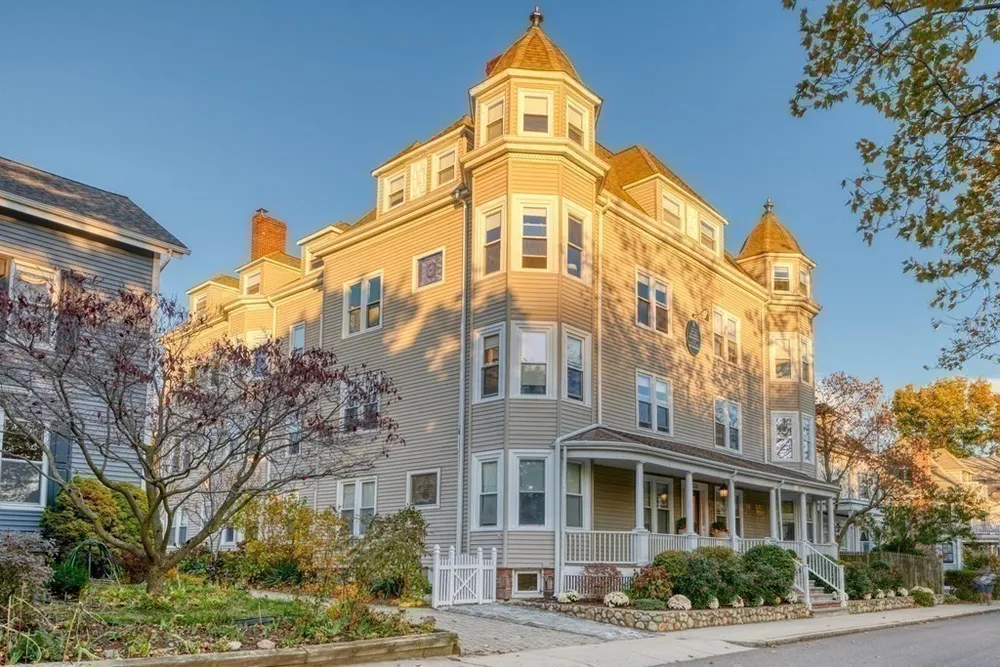
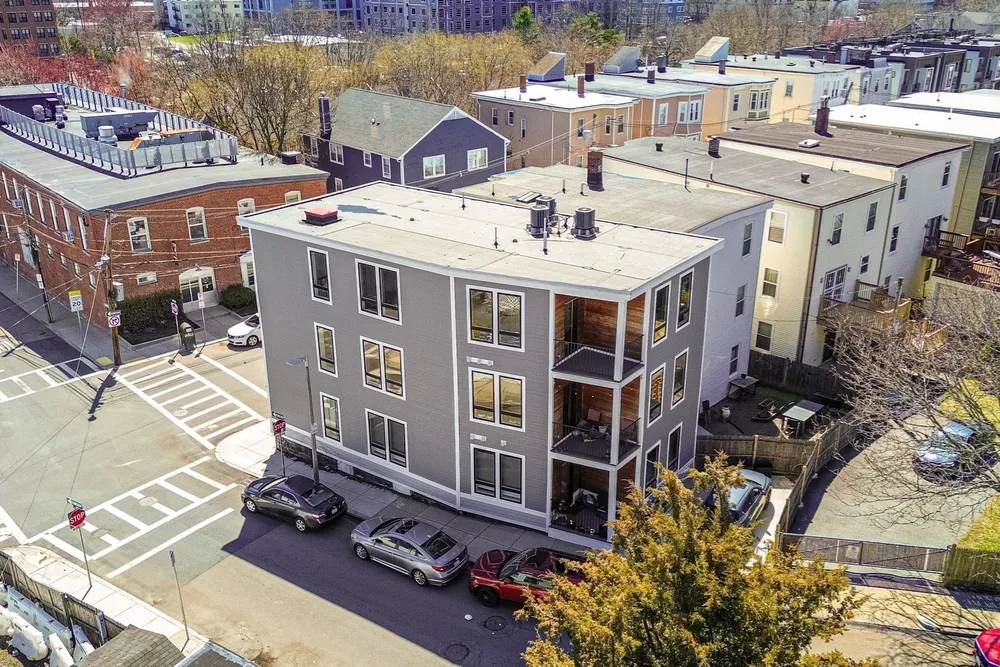
Current rental product to compare with the demand thesis
The demand evidence should be checked against the kind of unit a renter would actually choose. These examples preserve neighborhood, bedroom count, rent and campus distance without exposing street addresses.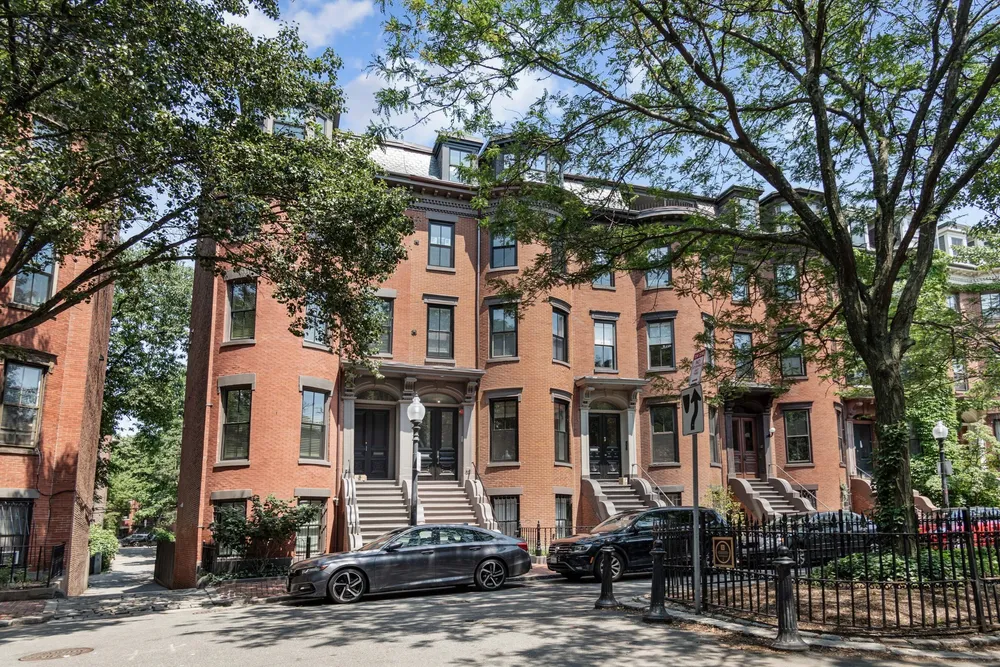 FOR RENT
 FOR RENT
 FOR RENT
RENTAL-DEMAND JOURNEY · CONVERSION
Keep the visitor’s BU decision intact when they ask for help.
The appointment request opens in place with the correct professional preselected. The visitor does not have to restart the journey.RENTAL-DEMAND JOURNEY · NEXT STEP
The page cannot end after answering the question.
TURN THE RESEARCH INTO A PROPERTY DECISION
Check the demand case against real BU-area housing.
Move from university-level evidence to the actual rental, neighborhood and underwriting assumptions before treating a property as a student-housing investment.
Sources, freshness and verification
These sources were checked for this answer on September 20, 2026. Time-sensitive costs, program rules, lease terms and property conditions should be reconfirmed before acting.
- Boston University — Our DNA (FY2025 facts) ↗Official BU institutional facts
- Boston University Admissions — Housing ↗Official university market source
- Boston University Housing — 2026-27 Academic Year Rates ↗Official university market source
- Boston University — Off-Campus Housing FAQs ↗Official university market source
- Boston University Medical Campus Housing Resources — Boston Rentals ↗Official BU Boston rental-market guidance
- BU Today — Your Everything Guide to Living Off Campus ↗BU editorial housing guidance
- IRS — Residential rental property ↗Public primary guidance
ASK THE NEXT BU QUESTION
Keep the answer in context.
Ask the next question about the same BU housing decision instead of returning to a generic search.
Ask a question to get the answer first. CH2 opens a tool or broader page directly only when you ask to use or view it.